







In The Spotlight
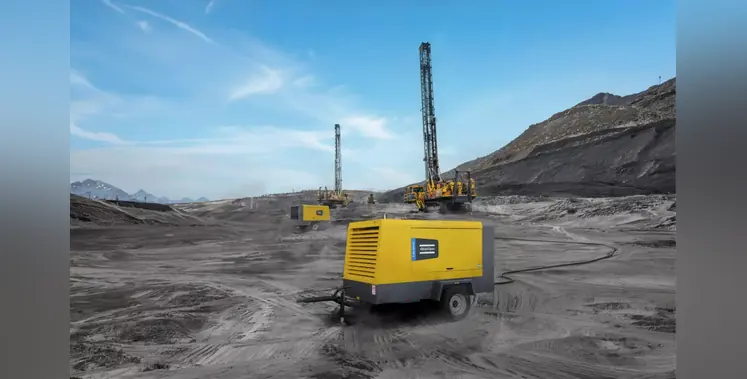
X-Air 900-20 portable air compressor used in a blast hole drilling application. (Image source: Atlas Copco)
Atlas Copco has broadened its DrillAir range of portable air compressors with the introduction of the X-Air 900-20, developed to meet the rigorous drilling demands of industries across Africa, Australia and New Zealand, Central and South America, the Middle East and Southeast Asia
The new compressor has been designed to deliver operational flexibility, dependable performance and simplified usability for mining and construction applications operating in varied environments and job site conditions.
Drawing on Atlas Copco’s experience in portable compressed air technologies for heavy-duty operations, the X-Air 900-20 integrates advanced compressor controls, a compact structure and a durable build to provide reliable compressed air performance in challenging settings.
A major feature of the X-Air 900-20 is its PACE technology, enabling operators to adjust working pressure between 14 and 20 bar. This capability allows a single compressor to serve multiple drilling functions, helping businesses improve fleet efficiency while reducing the need for additional equipment onsite.
Within the mining sector, the compressor is intended for applications including blast hole drilling and dimension stone quarry drilling, where reliable airflow and operational adaptability are critical to maintaining productivity levels.
For construction activities, the unit supports operations such as slope anchoring, down-the-hole solar piling and ground engineering drilling. The adjustable pressure settings allow operators to tailor performance according to application requirements, improving efficiency while minimising fuel usage and component wear.
To support lower operational costs, the X-Air 900-20 incorporates ECO mode technology, which can reduce fuel consumption by up to 50% during unload conditions. By transitioning from idle to no-load operation, the compressor decreases unnecessary fuel burn, contributing to reduced ownership costs and improved component longevity. Fuel efficiency is also enhanced through FuelXpert technology, which continuously regulates fuel use during operation to maintain optimal performance and air delivery.
The compressor features the Xc2004 smart air controller, giving operators access to clear operational data, simplified machine controls and performance monitoring tools. The controller includes built-in alarms and protection systems to support safe and efficient operation in demanding environments. Integrated connectivity functions also provide users with transparent performance insights and operational analytics.
Built for durability, the X-Air 900-20 includes reinforced metal bodywork and a corrosion-resistant canopy designed to withstand harsh working environments. Its compact dimensions improve transportability and ease of deployment across different project sites.
Maintenance access has also been simplified through large service doors, a redesigned vessel layout and extended service intervals aimed at reducing downtime and maintenance effort. Integrated monitoring systems further assist with timely servicing and component protection.
Atlas Copco additionally offers optional packages for high-ambient, high-altitude and cold-climate operations, allowing customers to configure the compressor according to local site requirements and environmental conditions.
“The X-Air 900-20 is designed for customers who need a reliable, adaptable compressor that can support different drilling applications without added complexity. By combining flexible pressure, smart control, and a robust, easy-to-maintain design, we’re helping customers improve utilization and control operating costs across demanding job sites,” said Srijayan Iyer, product marketing manager for Large Air, Portable Air Division.
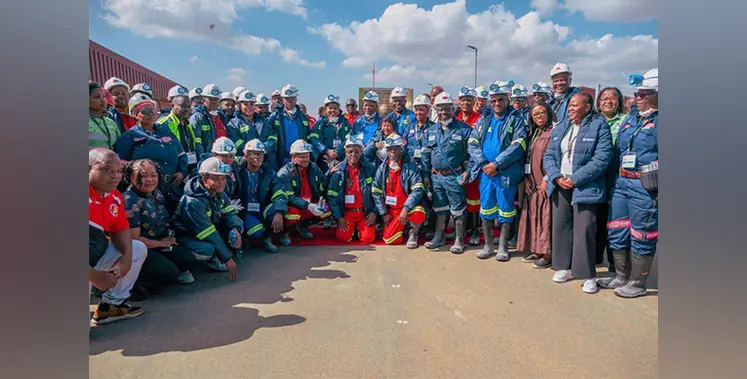
Exxaro launches New Mine 1 at Matla Coal Mine to strengthen coal supply. (Image source: Exxaro)
Exxaro Resources has officially inaugurated the New Mine 1 operation at its Matla Coal Mine, reinforcing the company’s long-term strategy to maintain coal production, improve operational performance and contribute to South Africa’s energy supply stability
The development follows a 2016 decision to halt operations at the original Mine 1 because of declining safety conditions around the shaft pillars. The New Mine 1 project was subsequently introduced to provide safe access to remaining reserves while extending the operational life of the mine.
The project forms a central component of the broader Matla Life of Mine Project (MLOMP), a R5.236bn (approx. US$319mn) investment programme aimed at ensuring ongoing access to coal reserves, boosting efficiency and supporting coal deliveries under the extended Coal Supply Agreement (CSA) with Eskom. Operating under a cost-plus arrangement, Eskom funds the mine’s operational costs to help secure the lowest overall fuel expenses.
The newly opened mine is expected to supply nearly 4.2 million tonnes of coal annually to the Matla Power Station, supporting energy generation reliability. The Matla Coal Mine workforce currently consists of 6,174 employees, including contractors.
Exxaro CEO Ben Magara stated, “The New Mine 1 is far more than an operational milestone, for us it reflects Exxaro’s disciplined execution, long-term vision, and commitment to South Africa’s future. Our Matla Mine continues to play a vital role in supporting the country’s energy needs while creating meaningful impact through local investment, job creation, and the development of entrepreneurship. Most importantly, this milestone reflects the commitment and resilience of our employees, whose dedication to the company continues to enable us to deliver complex projects on time, to scope and on budget while making a meaningful contribution to the country and its communities.”
The project introduced several infrastructure and operational upgrades, including a box cut providing access to the Mine 1 working area, a tunnel development silo feed conveyor system and an overland conveyor linked to a newly established crushing and handling facility connected directly to Eskom’s conveyor network. Additional infrastructure includes new employee change house facilities, engineering workshops, material warehouses and administration buildings. The project also incorporated a shortwall replacement initiative featuring next-generation mining equipment.
South Africa’s minister of minerals and petroleum resources, Gwede Mantashe, attended the official opening and visited workers underground during the event.
"This is a journey back home for me. I spent six years at this mine, working here and organising here, and during that same period we achieved production records. I was here as a worker, and today I return as a Minister. People have often said that coal is a dying industry because of concerns around pollution. However, the industry continues to evolve, particularly through improvements in mining safety and ongoing investment in innovation and research. Coal miners should never be ashamed of the work they do."
Eskom group CEO Dan Marokane highlighted the significance of the collaboration between the two companies, saying, “the expansion of Matla New Mine 1 demonstrates how strategic collaboration secures South Africa’s energy future. The reliable supply from Matla ensures that, as the grid is decongested to enable rapid renewables penetration, Eskom maintains operational consistency and security of energy supply needed to support South Africa’s developmental and industrial needs. We also negotiated the new contract structure as part of Eskom’s Cost Optimisation and Revenue Enhancement (CORE) programme, which aims to drive efficiencies in primary energy procurement. This milestone comes as Eskom marks 365 consecutive days without load shedding — a testament to the impact of sustained investment, operational discipline, and partnership with Exxaro”.
Earlier in 2025, Eskom and Exxaro signed a memorandum of understanding focused on emissions reduction initiatives, carbon capture technologies and other projects supporting a responsible and balanced energy transition.
In addition to its operational objectives, the MLOMP has generated notable socio-economic benefits within Mpumalanga. The initiative has created around 1,132 local employment opportunities and directed R532mn towards black-owned businesses as part of efforts to support economic transformation. The project has also prioritised support for Small Medium Micro Enterprises and skills development programmes within surrounding communities.
The commissioning of the relocated Mine 1 operation marks a significant phase in Matla Mine’s development, strengthening its contribution to South Africa’s energy sector while reflecting Exxaro’s broader strategy for long-term growth, community development and national economic participation.
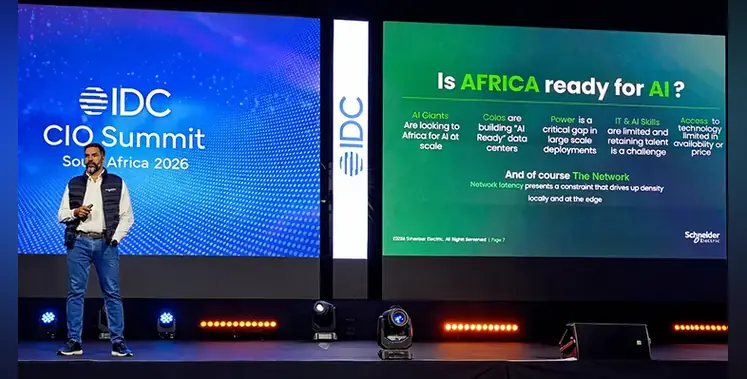
Schneider Electric’s Steven Santini at the IDC CIO Summit 2026 in Johannesburg

African boost for sustainable aviation fuels (Image source: Adobe Stock)
Africa’s first privately-financed sustainable aviation fuel (SAF) plant has secured funding from the Emerging Africa & Asia Infrastructure Fund (EAAIF) and various Middle Eastern investors
The deal expands EAAIF’s footprint into the Middle East North Africa (MENA) region, following its ongoing expansion into Asia.
The US$212mn clean fuels project, located in Egypt’s Sokhna Special Economic Zone, will be owned and operated by Green Sky Capital Limited together with its local subsidiary, SAF Fly Egypt.
EAAIF, a Private Infrastructure Development Group (PIDG) company managed by Ninety One, supported a senior secured loan of US$40mn for the development of the plant.
The transaction marks the first project-financed SAF plant in the MENA region.
The facility is designed to produce 200,000 tonnes per annum of biofuels, including SAF, Hydrotreated Vegetable Oil (HVO), bio-propane and bio-naphtha and will utilise commercially proven Hydroprocessed Esters and Fatty Acids (HEFA) technology to convert waste-based feedstock into high-grade sustainable fuel.
To ensure long-term bankability, the transaction will be anchored by Shell who will purchase the facility’s products on a take-or-pay basis and act as its primary feedstock provider.
Martijn Proos, co-head of emerging market alternative credit, Ninety One, the fund manager of EAAIF, said the transaction arrives at a critical juncture for the global energy market.
“Amid heightened geopolitical volatility and energy market uncertainty, this first-of-its-kind facility provides a practical solution to advancing both decarbonisation and energy security,”he said.
“By acting as the global mandated leadarranger, Ninety One and EAAIF are demonstrating how institutional capital can be mobilised to support the decarbonisation of hard-to-abate sectors like aviation, which is projected to account for 5% of global emissions by 2050 without intervention.”
The project is being developed with the support of regional sponsors, including Al Mana Holding, a Qatari diversified conglomerate, and Vision Invest, a Saudi Arabian infrastructure investor and developer.
Ninety One acted as the global mandated lead arranger and coordinating lender, facilitating the mobilisation of a total debt package of US$142.9mn with a US$40 million commitment from EAAIF and Ninety One’s Emerging Markets Transition Debt (EMTD) Fund.
Ninety One has also mobilised the participation of Qatar National Bank (QNB) via its Egyptian subsidiary, QNB S.A.E, with a commitment of up to US$31.4mn.
The debt financing was completed by The Arab Energy Fund, which acted as co-MLA and global structuring lender committed US$71.4mn to the project.
SAF is estimated to offer up to an 80% reduction in CO₂ emissions, compared to conventional jet fuel, supporting the aviation industry’s target of reaching net-zero by 2050.
The project's strategic location near the Suez Canal offers a direct export route to key demand centres in the EU and UK, which are currently implementing strict SAF mandates.
The transaction also demonstrates strong appetite among regional and international lenders for renewable fuels infrastructure, supporting both energy security and price stability amid heightened global volatility.
“Emerging markets have been transitioning toward renewables and cleaner energy sources for some time, driven by rising energy costs and the need to strengthen energy security,” said Alper Kilic, head of alternative credit, Ninety One.
“This investment highlights the critical role long-term capital plays in scaling next-generation energy infrastructure in emerging markets.”
He added that sustainable aviation fuel is “one of the most compelling – and challenging – decarbonisation pathways” requiring proven technology and strong commercial structures to deliver at scale.
“This project demonstrates how institutional investors can pursue attractive risk-adjusted returns while supporting the real-economy transition, and underscores the growing opportunity for transition debt strategies to finance high-impact assets in hard-to-abate sectors.”
Read more:
Supply chain boost for African businesses
AFC green bond to boost Ivorian solar sector
Vantage Capital, Greenpoint funding to boost SolarAfrica
GE Vernova opens new Morocco hub to support power transmission services globally (Image source: Adobe Stock)
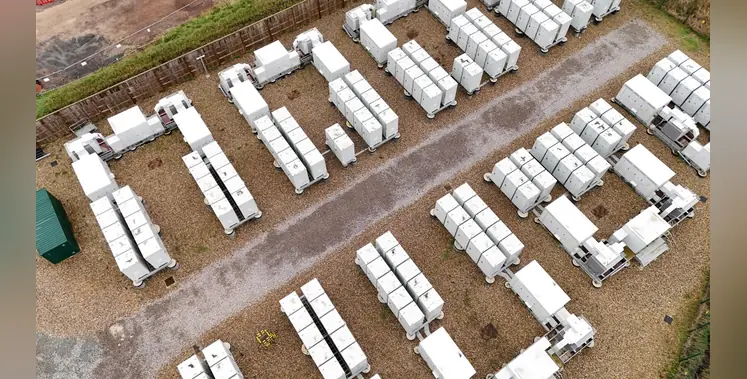
South Africa advances grid-scale gravity energy storage
Energy Vault Holdings, Inc. has entered into a strategic development agreement with Eskom Holdings SOC Limited to introduce a large-scale gravity energy storage system in South Africa, marking a major step in the region’s transition toward cleaner and more resilient energy infrastructure
The first gravity energy storage system (GESS) project will be developed at Eskom’s Hendrina Power Station in Mpumalanga, among the country’s oldest operational coal-fired facilities. The installation is expected to deliver 25MW of power capacity with four hours of storage, representing 100MWh in total, while also offering future scalability of up to 4GW.
The agreement establishes a long-term collaboration between the two organisations aimed at accelerating the decarbonisation of Southern Africa’s electricity sector. Under the partnership, Energy Vault will supply its EVx 2.0 gravity storage technology alongside engineering expertise, project execution services and localised workforce training.
The companies also plan to jointly license and expand the deployment of up to 4GWh of gravity-based energy storage capacity throughout the 16-member Southern African Development Community (SADC) region by 2035.
Energy Vault’s EVx 2.0 platform introduces several upgrades compared to earlier versions of the technology, particularly in areas such as software coordination, mechanical performance, energy efficiency and automated construction processes. The updated design enables deployment at multi-gigawatt scale to support growing renewable energy penetration across electricity networks.
A notable feature of the technology is its ability to repurpose coal ash into large storage blocks weighing between 25 and 30 tonnes, creating an alternative use for combustion waste materials while supporting more sustainable infrastructure development.
“This landmark agreement with Eskom represents a transformational milestone for Energy Vault and for Africa’s energy future,” said Robert Piconi, chairman and CEO.
“By combining our breakthrough EVx 2.0 platform with Eskom’s extensive power generation, grid expertise and regional reach, we’re not only advancing long-duration storage at unprecedented scale but also pioneering a new model for sustainable industrial development. This partnership will create local jobs, establish resilient supply chains, and demonstrate how gravity energy storage can accelerate Africa’s transition from coal dependency to energy independence and security — all while delivering reliable, affordable power to communities that need it most.”
The initiative aligns closely with Eskom’s Just Energy Transition Partnership (JETP), which seeks to reduce dependence on coal while maintaining energy reliability, encouraging economic participation and supporting employment opportunities.
"Eskom is committed to reducing the environmental impact of its electricity generation activities and will continuously drive projects to support South Africa’s local and global emission reduction targets and transition responsibly. Eskom’s strategy is designed to position us as a resilient and competitive energy leader in a liberalised energy market."
"We will drive a just and inclusive energy transition that includes intensifying the repowering and repurposing of coal power stations and exploring clean coal technologies and solutions using technology as a strategic enabler to improve efficiencies and lower the cost of electricity. This partnership with Energy Vault and its innovative gravity storage technology will play a pivotal role in achieving our Just Energy Transition goals,” said Dan Marokane, group CEO, Eskom Holdings.
Southern Africa’s energy sector continues to evolve as governments and utilities pursue wider access to reliable and sustainable electricity. Electricity access across the SADC region has increased to 56% of the population, compared to 36% a decade earlier, reflecting expanding infrastructure investment and regional cooperation efforts.
Although coal still accounts for more than 80% of South Africa’s electricity generation, countries across the region are increasingly investing in renewable energy and storage technologies to diversify supply, strengthen grid resilience and improve long-term energy security. Utility-scale storage solutions are expected to become increasingly important in supporting renewable integration while also contributing to industrial growth, job creation and community development initiatives.
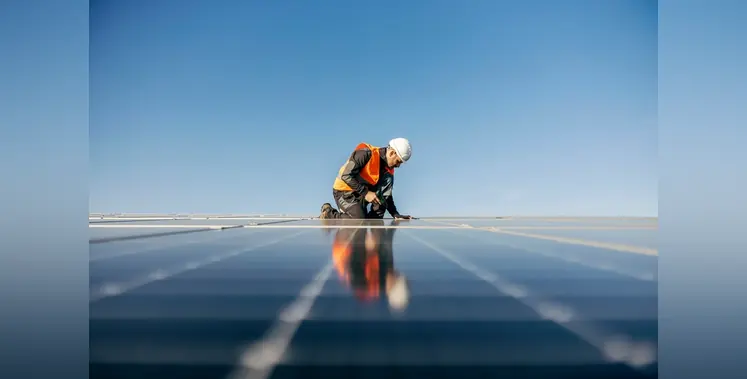
Kumba Iron Ore advances decarbonised mining through renewable energy, wheeling innovation and community inclusion
The launch of the Koruson 2 (K2) renewable energy cluster in South Africa’s Eastern Cape highlights Kumba Iron Ore’s continued focus on sustainable mining and cleaner energy solutions through its collaboration with Envusa Energy
Envusa Energy, a joint venture between Anglo American and EDF power solutions, is advancing the delivery of dependable and competitively priced renewable energy for South Africa’s energy-intensive sectors. The K2 cluster adds 520 MW of combined wind and solar capacity to the grid and forms part of the company’s wider target to develop between 3 GW and 5 GW of renewable energy by 2030.
For Kumba, the partnership is already generating measurable environmental, operational and financial gains.
“Our partnership with Envusa Energy allows Kumba to decarbonise our operations while strengthening the resilience and competitiveness of our business. It is a practical demonstration of how renewable energy can support both mining and South Africa’s economic future,” said Mpumi Zikalala, CEO Kumba Iron Ore.
At the Kolomela Mine in the Northern Cape, renewable energy now supplies around 72% of the site’s electricity demand, significantly lowering dependence on carbon-intensive grid power. Alongside emissions reductions, the mine also achieved financial savings, with approximately R600,000 (approx.US$30,000) saved during March alone.
Through the Sishen Iron Ore Company Community Development Trust (SIOC CDT), local communities are able to share in the value generated by both mining and renewable energy developments. The Trust maintains equity ownership in Kumba and is also set to hold a 10% stake in the Sishen solar project, supporting long-term investments in healthcare, education, infrastructure and livelihood programmes.
The K2 cluster also showcases how cooperation between industry, communities and government can help tackle South Africa’s energy constraints. Using an innovative wheeling model that enables renewable electricity to move across the national grid, the project is expected to strengthen energy security while supporting faster decarbonisation across major industries.
-
-
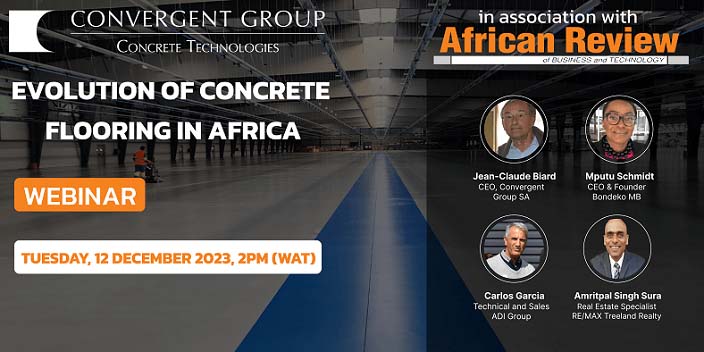
In the final webinar of its African Review-hosted 2023 campaign, Convergent Group explored its modern, eco-friendly concrete solutions for African projects
Such solutions – delivered to cut maintenance costs by eliminating hazardous silicate products – were showcased by company experts in the form of Jean-Claude Biard, SEO of Convergent Group SA; Mputu Schmidt, former CEO of Convergent Group SA and founder of Bondeko MB (exclusive distributor of Convergent Group in Africa); Carlos Garcia, technical and sales for ADI Group (Spanish distributor for Convergent Group); and Amritpal Singh Sura, external consultant for flooring treatments, former distributor of Convergent products in the Middle East.
“A number of projects we were doing in the Middle East required protection,” remarked Sura. “Longevity of protection requires a system which basically impregnates and becomes a densified surface as opposed to something which is topical and lifts off due to moisture migration. I found that being exposed to Convergent, it was important to stay focused on those systems in the Middle East. Jean-Claude, Mputu and I met several times in Dubai and there was emphasis on providing systems which were affordable and still ending up having a robust, lasting longevity of product. So you are not spending money all the time in order to maintain the finishes which you have already paid for.”
Over the course of the session, the participants guided the audience through the potential of cutting-edge lithium silicate technology for enhancing the protection of concrete surfaces, maximising cost-effectiveness and meeting sustainability targets.
-

In a comprehensive webinar hosted by African Review, a panel of professionals associated with Convergent Group explored new generation lithium silicate technology and why it is emerging as the optimum solution for concrete floor protection.
Robert Daniels, editor of African Review, was joined by Jean-Claude Biard, CEO of Convergent Group; Mputu Schmidt, former CEO of Convergent and founder of Bondeko MB, an exclusive distributor of Convergent; Hicham Sofyani, president of Texol; Carlos Garcia, technical and sales for ADI Group; and Marc Puig, commercial manager of Comace Import.
Each providing a unique angle, the panellists combined to provide a masterclass around concrete treatments and the increasing challenges around them, explaining to attendees how to choose the right formula for their requirements and touching on issues such as why lithium densifiers are better than sodium and potassium densifiers.
Throughout the session, those watching were treated to informative case studies showcasing how Convergent eco-friendly products are increasing abrasion resistance, raising ease of maintenance, and ensuring the highest quality gloss retention.
By the end of the webinar, a majority of attendees (many of which had not had much experience with Convergent) expressed their interest in using the company’s new generation lithium silicate technology with the rest indicating their desire to learn more about Convergent and its products. Watch the webinar, in full, to discover why viewers were convinced and learn more about advanced floor care solutions for your operations.
-

Presenting on an African Review-hosted webinar, Martin Provencher, global industry principal for mining, metals and materials at AVEVA, explored the digital transformation of mining operations and its impact on sustainability.
“Sustainability is becoming a key aspect for mining operations,” remarked Provencher. “If we look at the latest EY research on the top ten business risks and opportunities for mining and metals globally in 2023, ESG remains at the top. Of course, most companies have environmental goals or are expected to reach a net zero emission by 2050, which is a pretty aggressive target. Many of them are targeting 30% reduction by 2030; seven years from now. So there is a lot of action that needs to take place quickly to get there. It is possible to get there, but we need to make sure we are doing this correctly.”
Fast becoming a huge part of ESG initiatives is fleet electrification where particular progress is being made in underground mines. While some countries are certainly more advanced than others here, Provencher noted that 40% of total emissions from the mining industry come from diesel trucks, making EVs a very attractive low-hanging fruit for companies to pursue.
There are, however, a number of challenges associated with bringing in electric vehicles which remains a barrier for introduction. One of the predominant reasons, is the limited range of EVs against diesel counterparts. To mitigate this, Provencher continued, data management is key and ensuring a strong grasp of real-time information coming in will show operators when machinery needs to be charged, allowing them to plan effectively for maximum efficiency on site.
Indeed, this is but a small advantage that digitalisation can bring to the mining industry as it grapples to meet ESG goals while achieving production targets. By getting a better grip of their data and using it to empower tools such as artificial intelligence, advanced analytics and machine learning, companies can achieve tangible benefits such as reduce downtime, enhance worker safety, cut operating costs and, of course, ensure compliance with environmental regulations and targets.
Through the course of the webinar, Provencher outlined this in more detail and explored AVEVA’s suite of cutting-edge software solutions, specifically designed to help mining companies make progress on their digitalisation journey and empower their operations.
Watch the full webinar, completed with detailed case studies and an insightful Q&A session.
-

-

-
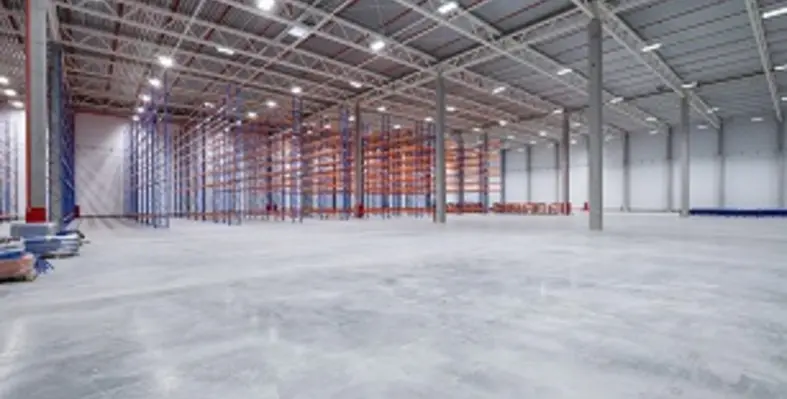
Convergent, in association with African Review, has held a detailed webinar exploring the usage and effectiveness of lithium silicates and densifiers over traditional methods of concrete surface management which often struggle to meet the increasing challenges posed by concrete surface management.
Convergent experts including Mputu Schmidt, CEO of Convergent; Carlos Garcia, product manager end-user solutions, construction chemicals, Spain and Portugal for the RD Group; Matteo Mozzarelli, CEO of concrete Solutions Italia; and Jean-Claude Biard, global senior executive for the Convergent Group, presented across the session.
Together, they delved into the latest cost-effective application methods for long lasting finishing of concrete that can help reduce maintenance costs and avoid unexpected repair action. In addition, they examined the advancements in technologies that can sustain increased abrasion resistant stains and ensure gloss retention to the highest quality.
As part of the webinar, the representatives explored case studies including a case in DRC where a medical centre had been constructed with a low-quality concrete floor. The customer was considering completely replacing the floor but instead, Convergent put forward a special treatment with its 244+ Pentra-Sil lithium hardener, densifier and sealer. With this solution, Convergent can increase the hardness of a surface by up to 40% and therefore saved the customer significant recuperation costs over a complete replacement. Convergent were happy to report that the solution was perfect for the facility and the customer was pleased to avoid the extra construction work that would have been required for a complete replacement.
Watch the full webinar, including more information about Convergent’s innovative solutions.
South Africa advances grid-scale gravity energy storage
Energy Vault Holdings, Inc. has entered into a strategic development agreement with Eskom Holdings SOC Limited to introduce a large-scale gravity energy storage system in South Africa, marking a major step in the region’s transition toward cleaner and more resilient energy infrastructure
The first gravity energy storage system (GESS) project will be developed at Eskom’s Hendrina Power Station in Mpumalanga, among the country’s oldest operational coal-fired facilities. The installation is expected to deliver 25MW of power capacity with four hours of storage, representing 100MWh in total, while also offering future scalability of up to 4GW.
The agreement establishes a long-term collaboration between the two organisations aimed at accelerating the decarbonisation of Southern Africa’s electricity sector. Under the partnership, Energy Vault will supply its EVx 2.0 gravity storage technology alongside engineering expertise, project execution services and localised workforce training.
The companies also plan to jointly license and expand the deployment of up to 4GWh of gravity-based energy storage capacity throughout the 16-member Southern African Development Community (SADC) region by 2035.
Energy Vault’s EVx 2.0 platform introduces several upgrades compared to earlier versions of the technology, particularly in areas such as software coordination, mechanical performance, energy efficiency and automated construction processes. The updated design enables deployment at multi-gigawatt scale to support growing renewable energy penetration across electricity networks.
A notable feature of the technology is its ability to repurpose coal ash into large storage blocks weighing between 25 and 30 tonnes, creating an alternative use for combustion waste materials while supporting more sustainable infrastructure development.
“This landmark agreement with Eskom represents a transformational milestone for Energy Vault and for Africa’s energy future,” said Robert Piconi, chairman and CEO.
“By combining our breakthrough EVx 2.0 platform with Eskom’s extensive power generation, grid expertise and regional reach, we’re not only advancing long-duration storage at unprecedented scale but also pioneering a new model for sustainable industrial development. This partnership will create local jobs, establish resilient supply chains, and demonstrate how gravity energy storage can accelerate Africa’s transition from coal dependency to energy independence and security — all while delivering reliable, affordable power to communities that need it most.”
The initiative aligns closely with Eskom’s Just Energy Transition Partnership (JETP), which seeks to reduce dependence on coal while maintaining energy reliability, encouraging economic participation and supporting employment opportunities.
"Eskom is committed to reducing the environmental impact of its electricity generation activities and will continuously drive projects to support South Africa’s local and global emission reduction targets and transition responsibly. Eskom’s strategy is designed to position us as a resilient and competitive energy leader in a liberalised energy market."
"We will drive a just and inclusive energy transition that includes intensifying the repowering and repurposing of coal power stations and exploring clean coal technologies and solutions using technology as a strategic enabler to improve efficiencies and lower the cost of electricity. This partnership with Energy Vault and its innovative gravity storage technology will play a pivotal role in achieving our Just Energy Transition goals,” said Dan Marokane, group CEO, Eskom Holdings.
Southern Africa’s energy sector continues to evolve as governments and utilities pursue wider access to reliable and sustainable electricity. Electricity access across the SADC region has increased to 56% of the population, compared to 36% a decade earlier, reflecting expanding infrastructure investment and regional cooperation efforts.
Although coal still accounts for more than 80% of South Africa’s electricity generation, countries across the region are increasingly investing in renewable energy and storage technologies to diversify supply, strengthen grid resilience and improve long-term energy security. Utility-scale storage solutions are expected to become increasingly important in supporting renewable integration while also contributing to industrial growth, job creation and community development initiatives.
Schneider Electric’s Steven Santini at the IDC CIO Summit 2026 in Johannesburg
GE Vernova opens new Morocco hub to support power transmission services globally (Image source: Adobe Stock)
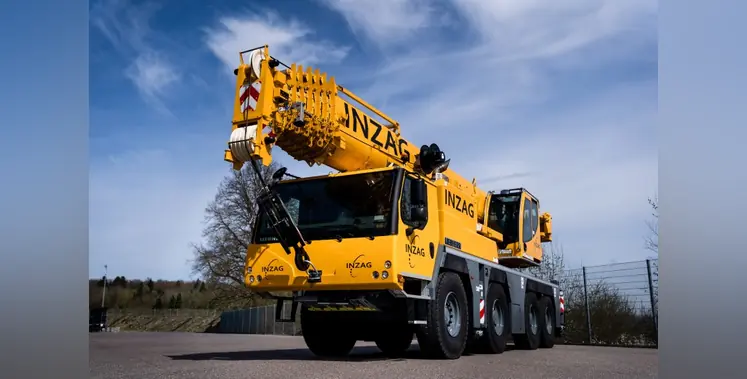
INZAG has taken delivery of a new Liebherr LTM 1090-4.2 mobile crane. (Image source: Liebherr)
INZAG has strengthened its equipment lineup with the addition of a new Liebherr LTM 1090-4.2 mobile crane
This four-axle unit enhances the capabilities of the globally active construction firm, offering a dependable and adaptable solution for complex tasks, particularly those linked to a major infrastructure development in southern Angola. The acquisition also reflects INZAG’s strategy of maintaining greater uniformity across its crane fleet. With this latest delivery, the company now operates two units of the 90-tonne model.
“Unlike crane hire companies, our aim is not to have the largest possible fleet with many different crane types, but rather a reliable all-rounder that is versatile and capable of handling both small and large lifts,” commented Lorenz Weber, procurement director at INZAG.
Beyond lifting performance, the company placed strong emphasis on safety and operational efficiency when selecting the crane. The four-axle configuration ensures excellent mobility while supporting cost-effective operations. Its adjustable axle load system enables smooth transportation across international routes and allows for flexible use on both highways and project sites. Additionally, integrated features such as ECOdrive and ECOmode contribute to lower fuel usage and reduced noise levels, supporting both operator comfort and environmental considerations.
First deployment in Angola requires flexibility
The crane’s first assignment will be in Angola, where INZAG is preparing for a major road infrastructure project. “With this new addition to our fleet, we are preparing for the start of a 146-kilometre road construction project in Angola,” explained Leandro Fernandez, managing director at INZAG.
The development focuses on upgrading the EN 140/295 national road, connecting the municipalities of Caiundo and Savate. Due to the remote nature of the site in southern Angola, relying on local crane rental services is not feasible.
“For this project, we needed a multifunctional crane that can be mobilised quickly, is flexible on site and can also be replaced during the operation – should that become necessary,” reported Weber.
The crane’s strong lifting performance and extended working radius made it particularly suited to the project’s demands.
“We will be using the new Liebherr crane primarily during the mobilisation phase, including for setting up camps and facilities, as well as for unloading and logistics tasks. It will also support operations at bitumen and precast plants, as well as the installation of box culverts,” remarked Fernandez.
Long-standing partnership and quality focus
INZAG continues to prioritise premium equipment and stringent quality standards across its operations. Many of its projects are supported by export financing from the German Federal Government, where the integration of German-engineered technology is a key requirement. The choice of Liebherr aligns with an established partnership between the two organisations.
“In addition to the machine itself, customer service, spare parts availability and technical support play a decisive role for us – requirements that Liebherr fulfils,” summarised Fernandez.
INZAG Germany GmbH specialises in delivering large-scale infrastructure developments across sub-Saharan Africa. Employing around 500 people, the company undertakes projects spanning road construction, water systems, energy infrastructure and port development. “We are currently active in Angola, Ghana and Uganda, among other places, combining European engineering expertise with extensive project experience in challenging markets,” said Weber. The company also provides export and trade services, facilitating connections between European OEMs and clients across Africa.
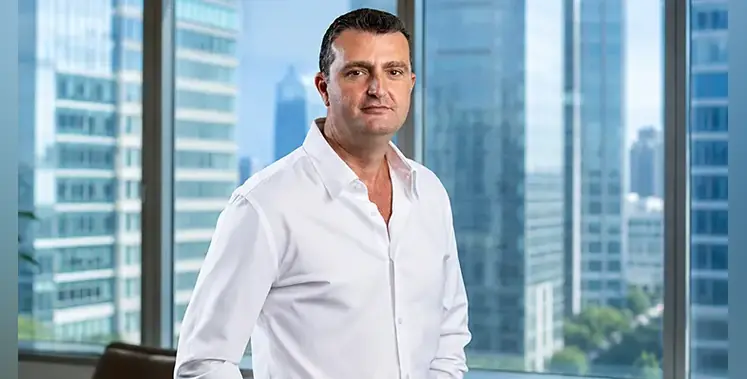
Aaron Chehab, head of strategy at Arabian Construction Company Group
X-Air 900-20 portable air compressor used in a blast hole drilling application. (Image source: Atlas Copco)
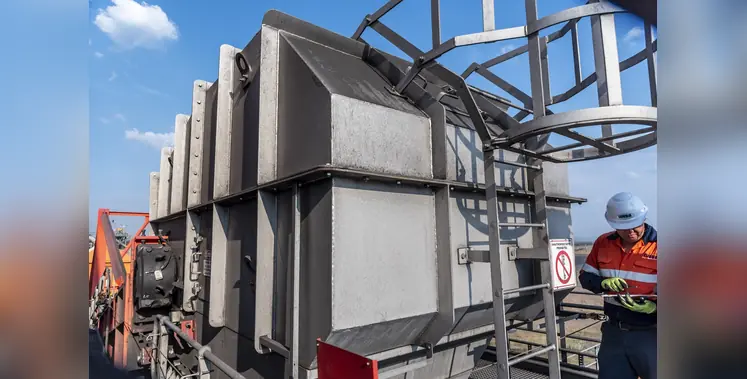
This engineered Weba Chute Systems head chute ensures stable material presentation onto the conveyor, helping to reduce wear and improve long-term operational reliability. (Image source: Weba Chute Systems)
As mining operations push for higher throughput, longer equipment life, and tighter environmental control, the design of transfer points is emerging as a critical factor in overall materials handling efficiency
No longer viewed as a minor component, chute systems are now recognised for their direct influence on plant performance.
According to Dewald Tintinger, technical director at Weba Chute Systems, inadequately designed transfer points can significantly disrupt operations, affecting material flow, belt loading, dust levels, spillage, and the wear rate of downstream equipment.
“A transfer point should never be treated as a static piece of infrastructure,” commented Tintinger. “It is an engineered flow control solution that plays a direct role in throughput stability, maintenance intervals and overall plant reliability.”
He explains that in modern processing environments, transfer points are increasingly being treated as vital control nodes within the entire materials handling system. Poorly managed material movement between conveyors, crushers, screens, or stockpiles can quickly escalate into broader operational challenges.
“Inconsistent flow patterns can lead to uneven belt loading, mistracking, excessive dust and spillage, and accelerated wear on liners, idlers and conveyor belts,” he explained. “These issues inevitably translate into increased maintenance requirements and, in many cases, costly production interruptions.”
Tintinger highlights that successful chute design starts with a thorough assessment of the material itself and the operating conditions. Variables such as particle size distribution, moisture levels, bulk density, abrasiveness, and cohesiveness all influence how materials behave during transfer.
“There is no one-size-fits-all solution,” he said. “Every application must be engineered around the specific flow behaviour of the material as well as the plant’s throughput requirements and space constraints.”
A central design objective is to ensure accurate and stable loading onto the receiving conveyor. If the material trajectory or discharge speed is not properly controlled, it can lead to uneven distribution, causing belt damage, excessive wear on idlers, and reduced conveyor efficiency.
“Correct belt loading is fundamental to conveyor health,” remarked Tintinger. “By controlling the flow path and discharge velocity of the material, we can significantly reduce wear and improve the overall reliability of the conveying system.”
He further notes that well-engineered transfer points also contribute to environmental compliance and workplace safety. By managing dust and spillage at the source, operations can maintain cleaner sites, minimise hazards, and reduce environmental impact.
“Dust and spillage are not simply housekeeping issues; they are often symptoms of poor flow management,” he commented. “By engineering the transfer point correctly, these risks can be mitigated at source rather than managed downstream.”
As mining companies continue to focus on maximising uptime and operational efficiency, transfer point design is shifting from a reactive maintenance issue to a proactive engineering priority.
“Ultimately, every transfer point must support predictable, controlled and efficient material flow,” Tintinger concluded. “When this is achieved, the benefits are seen across the plant in reduced downtime, lower maintenance costs and improved throughput performance.”
Exxaro launches New Mine 1 at Matla Coal Mine to strengthen coal supply. (Image source: Exxaro)
Kumba Iron Ore advances decarbonised mining through renewable energy, wheeling innovation and community inclusion
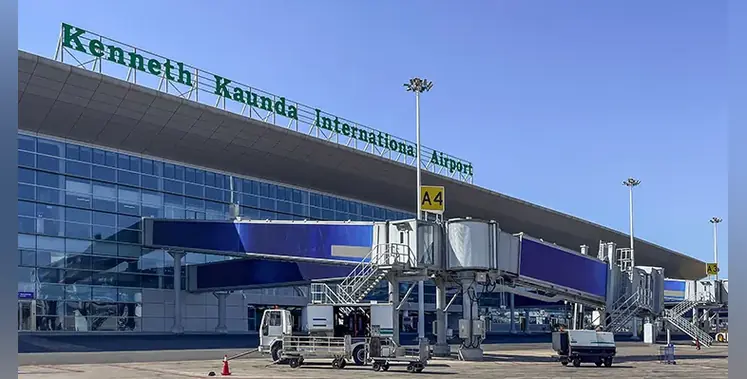
Zambia's infrastructure vital for economic prosperity (Image source: Adobe Stock)
As regional trade intensifies and supply chains come under increasing pressure, Stanbic Bank says the next phase of Africa’s corridor development will be defined not by infrastructure investment alone, but by how efficiently those systems convert movement into economic value
Reflecting on the recent Land‑Linked Zambia 2026, under the theme, ‘Beyond Borders: Shaping the Future of Africa’s Transport Corridors for Shared Prosperity’, Stanbic noted a decisive shift in the corridor conversation, from long‑term infrastructure ambition to the immediate economics of execution.
“What has changed is not the recognition of corridors as critical assets, but the urgency around how they perform,” said head business & commercial bank, Chanda Mwila. “The question is no longer what needs to be built, but how effectively existing systems translate activity into growth.”
As Zambia consolidates its position as a land‑linked trade hub, rising mining output, increased fuel flows and expanding regional trade are driving sustained volumes through key routes. According to Mwila, this is exposing a more complex reality: inefficiency within corridors is no longer a logistical inconvenience, but a direct economic constraint.
“Every delay, every point of friction, has a cost,” Mwila said. “It affects how quickly capital turns, how reliably businesses can operate, and ultimately how competitive entire value chains become.”
Corridor performance is increasingly shaping investment decisions, with predictability and reliability emerging as critical factors alongside physical capacity.
“Investors are not only assessing infrastructure availability, but they are also assessing system performance,” Mwila noted. “The ability to move goods consistently, manage timelines and reduce uncertainty is now central to how markets are evaluated.”
From a financial sector perspective, Stanbic emphasised that enabling trade at scale requires closer alignment between logistics systems and financial flows. While infrastructure enables movement, it is the efficiency of transactions that determines whether value is realised.
“Trade does not stall only at borders; it stalls in systems. Payment delays, constrained access to working capital and currency complexity all slow the movement of goods as much as physical bottlenecks do,” added Mwila.
As trade volumes increase, these inefficiencies compound, tying up liquidity and limiting the ability of businesses to respond to demand across markets.
“The velocity of trade is directly linked to the velocity of capital. Improving corridor performance is therefore as much a financial priority as it is an operational one.”
Stanbic reaffirmed its commitment to supporting Zambia’s trade and logistics ecosystem through solutions designed to improve capital flow, enhance transaction efficiency and enable more predictable cross‑border operations.
The recent conference highlighted a powerful, co-ordinated push to transform Zambia from a landlocked nation into a strategic land-linked hub for the African continent.
Minister of Transport and Logistics, Frank Tayali delivered the keynote address, emphasising the urgent need for Africa to prioritise internal trade.
“Africa must trade more with itself before it trades with the rest of the world,” stated Tayali. “We cannot continue to export raw materials across oceans while importing finished goods at higher cost.”
The Minister outlined infrastructure advancements aimed at restoring Zambia’s strategic advantage, including the revitalisation of TAZARA, the recapitalisation of Zambia Railways, and the ambitious Kafue-Lion’s Den railway project with Zimbabwe. The implementation of one-stop border posts at Kazungula, Chirundu, Nakonde, and Mwami is also reducing delays and improving trade efficiency.
However, Tayali stressed that infrastructure alone is insufficient. The future lies in evolving these routes into comprehensive economic corridors by establishing logistics hubs, dry ports, agro-processing zones and industrial parks to ensure local communities benefit directly from trade.
Stanbic Bank reaffirmed its commitment to enabling regional commerce by providing essential working capital to keep fleets and supply chains moving, and by facilitating the cross-border payments that underpin the African Continental Free Trade Area (AfCFTA).
Mwila added: “Prosperity beyond borders will not be achieved by infrastructure alone, or by any single institution. It will be achieved through co-ordinated action, informed decision-making, and a shared commitment to execution.”
The Land-Linked Zambia 2026 Conference concluded with a unified call to action for deeper regional partnerships, harmonised regulations, and joint investments. By choosing collaboration over competition, Zambia and its regional partners are laying the groundwork to reduce the cost of doing business and redefine Africa’s place in the global economy.
Read more:
DP World launches Brazil-Africa logistics corridor

Ronald Mlalazi, president of the African Supply Chain Confederation (Image source: ASCON)
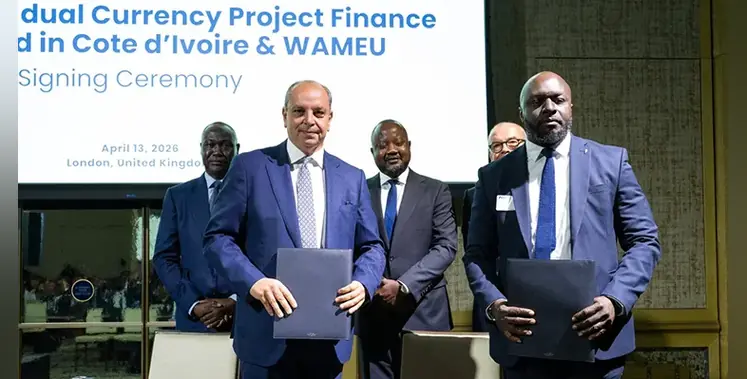
AFC reaches financial close on the Poro Power Green Bond (Image source: Adobe Stock)
Africa Finance Corporation (AFC) has reached financial close and disbursed €43mn under the Poro Power Green Bond, to be used to fund construction of a 66 MW solar power plant in the northern Korhogo region in Cote d’Ivoire
Structured as a €65mn dual-currency facility in euros and CFA francs, it marks the first project finance green bond in Cote d’Ivoire and across the West African Economic and Monetary Union (WAEMU).
The solar power plant, developed by Poro Power, is expected to be operational in 2027 and will become the country’s largest solar plant.
The solar plant is expected to provide electricity to more than 100,000 households and avoid over 72,000 tons of CO2 emissions annually, contributing to greater energy access and the country’s target of increasing the share of renewables in the energy mix to 45% by 2030.
AFC acted as lead underwriter and co-arranger, helping to structure the innovative dual-currency green bond that creates what it called a ‘replicable model’ for mobilising African capital into bankable infrastructure.
It also called the transaction a milestone for Côte d’Ivoire’s capital markets and for African infrastructure more broadly.
Historically, long-term infrastructure financing in the country has depended heavily on international capital.
By contrast, the Poro Power Green Bond was African-led, structured, and fully funded by African institutions.
Samaila Zubairu, president and CEO of AFC, said the Poro Power Green Bond sets a new benchmark for sustainable infrastructure financing in Africa.
“This landmark transaction demonstrates the growing capacity of African institutions to mobilise domestic capital and expertise to deliver transformative infrastructure projects,” said said Zubairu.
“We are not only helping to close the infrastructure gap, but also creating scalable, homegrown financing models that can be replicated across the continent.”
The transaction builds on AFC’s track record in Côte d’Ivoire across the power and transport sectors.
In the energy sector, it includes the 44MW Singrobo-Ahouaty hydropower project, Côte d’Ivoire’s first private hydro independent power producer.
Its investments in the country also include the 1.5km Henri Konan Bédié Bridge, which has eased congestion by 30% since commissioning and improved mobility in Abidjan.
In 2024, AFC also supported the Ivorian government in awarding six road development contracts worth €691.6mn.
Read more:
New trade finance facility for Angolan firms
African boost for sustainable aviation fuels (Image source: Adobe Stock)

Finance boost for Africa’s supply chain sector (Image source: Adobe Stock)
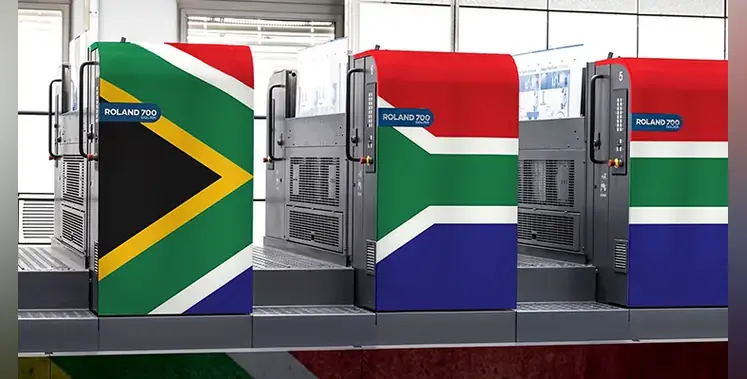
Manroland Sheetfed machinery is well known in Africa (Image source: Manroland Sheetfed)
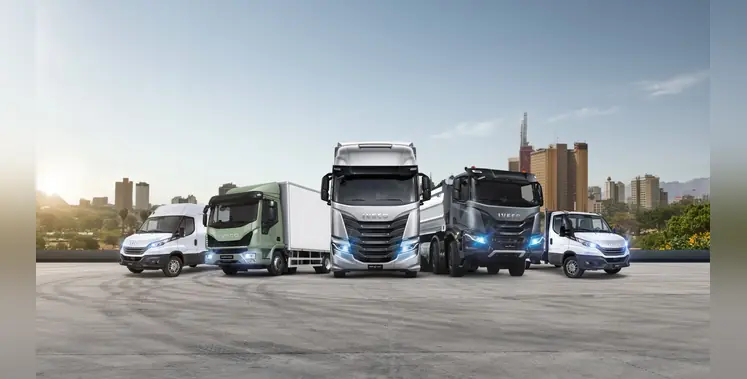
Nearly 40,000 configurations available - each truck is built to meet specific customer needs, making every unit virtually unique. (Image source: IVECO)
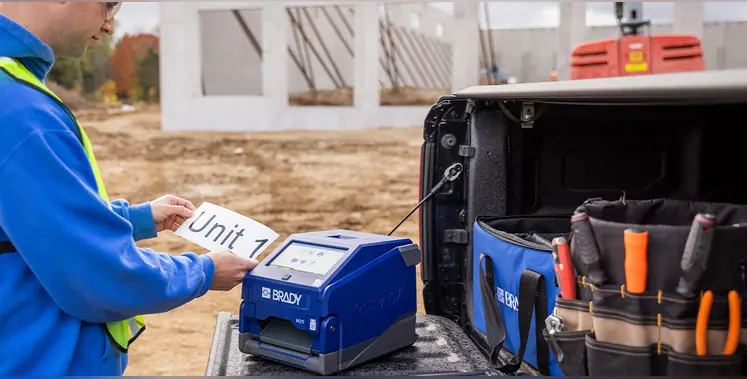
Brady Corporation unveils i4311 portable printer. (Image source: Brady Corporation)
Most Read
-
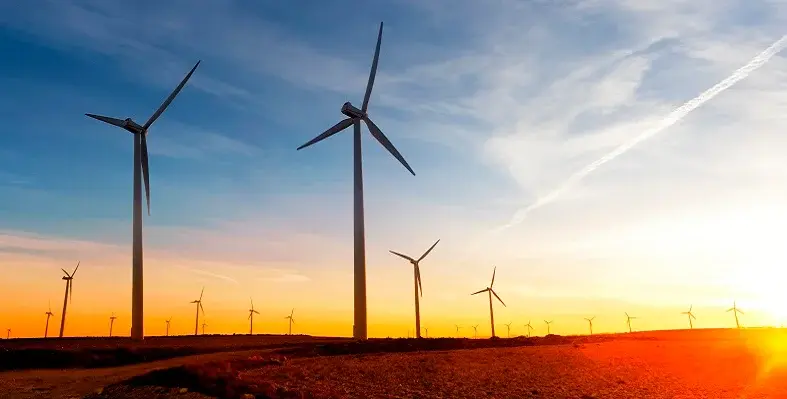
Infinity Power is a joint venture between Infinity and Masdar. (Image source: Infinity Power)
-
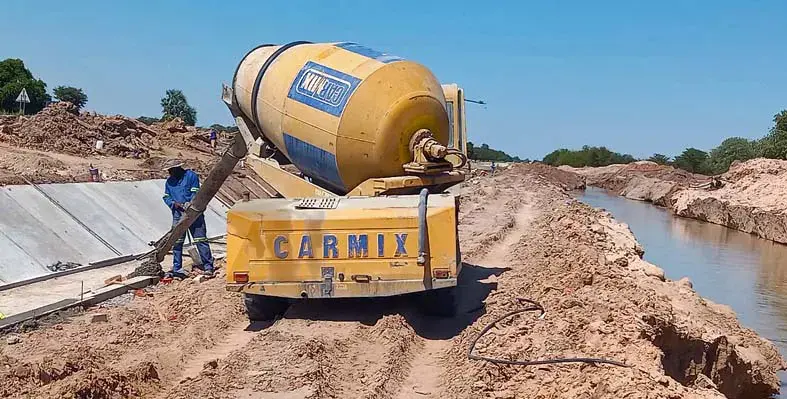
The Carmix 3.5TT is renowned for its robust performance in concrete mixing. (Image source: Carmix)
-
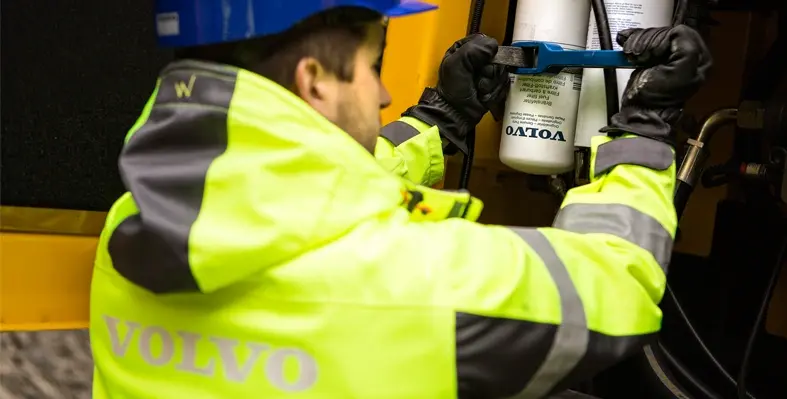
Genuine Volvo Parts are specifically developed, tested and approved to get the very best results from your Volvo machine. (Image source: Volvo CE)
-

The project carries an estimated total cost of US$12bn. (Image source: The Republic of Ghana Presidency)
-
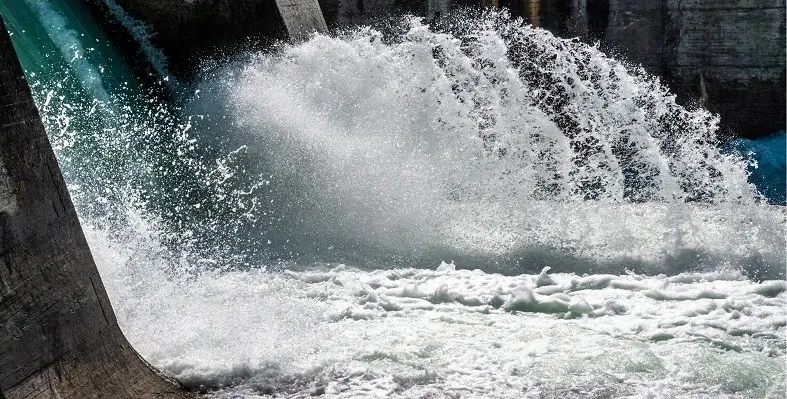
The transaction will give TotalEnergies an interest in hydropower projects in Uganda, Rwanda and Malawi
-
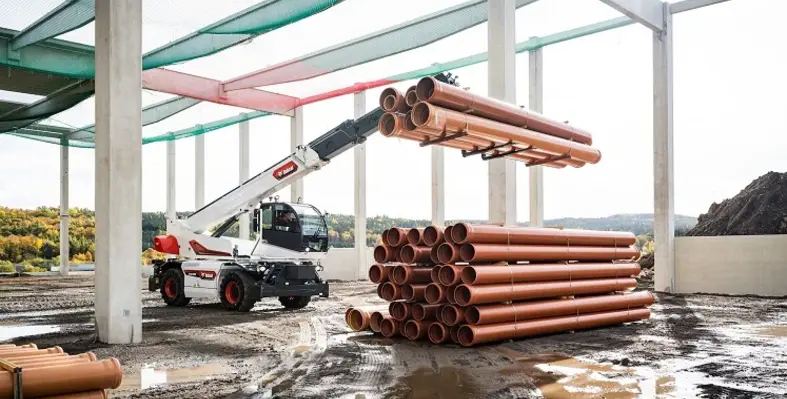
Bobcat has included additional features to enhance the visibility around the machines. (Image source: Bobcat)
-
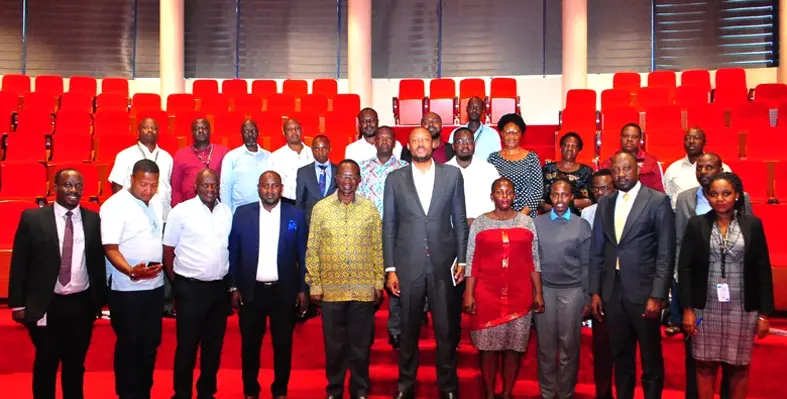
The initiative was unveiled at a meeting at the UIA head office. (Image source: UIA)
-

By localizing production, Stellantis is contributing to job creation, skill development, and technology transfer in Egypt. (Image source: Stellantis)
-

The Forte Secondary School fulfils an important role of educating 2,400 learners. (Image source: Bell Equipment)
-
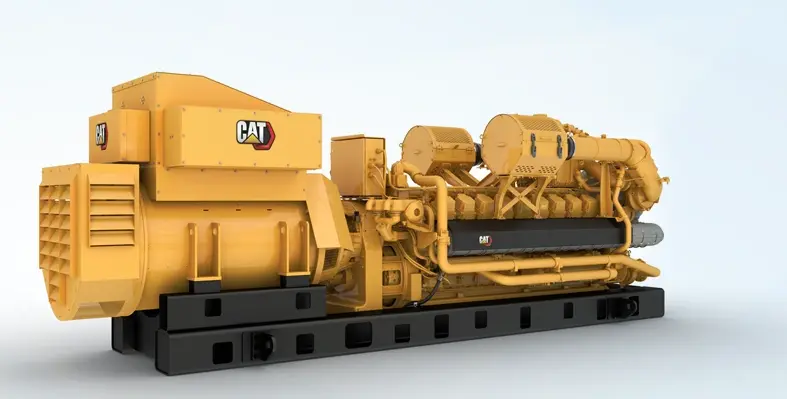
The Cat G3520 Fast Response natural-gas generator set is available for dealers around the world. (Image source: Cat)
-
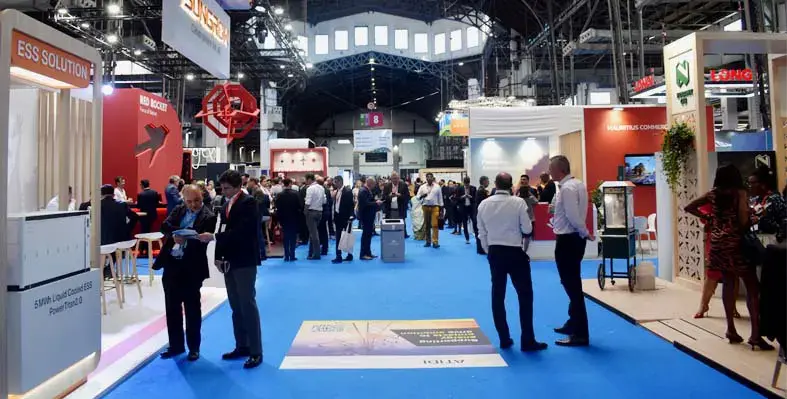
Africa Energy Forum 2024 was held in the Fira de Montjuïc in Barcelona. (Image source: ACP)
-

Hyde Johannesburg marks a major milestone for Ennismore as the brand’s first hotel in Africa. (Image source: Ennismore)
- Details
-
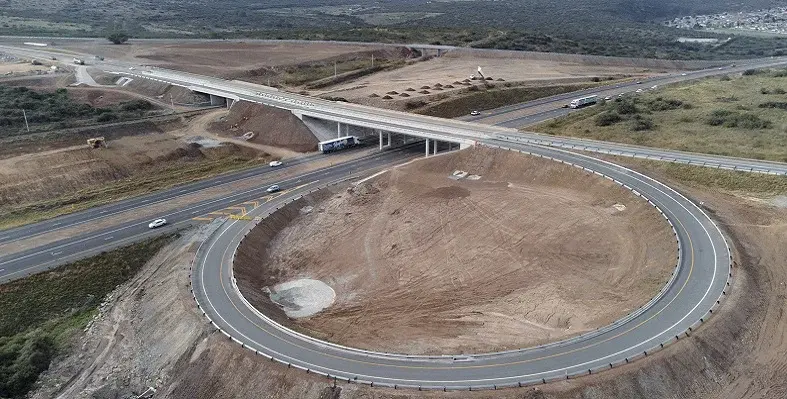
The project sought to address the high accident rate at the old Breidbach intersection and the traffic congestion. (Image source: SANRAL)
-
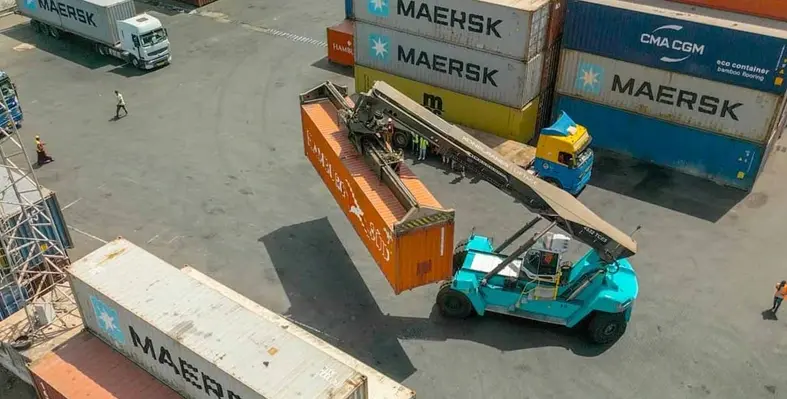
The project will extend and modernise the Moroni and Boingoma ports. (Image source: AfDB)
-
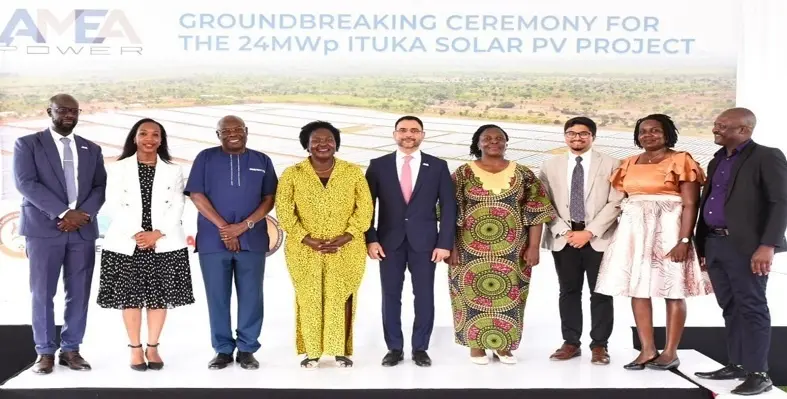
The groundbreaking ceremony was attended by key representatives from the Ugandan Government, local communities and the companies involved in the project’s delivery. (Image source: AMEA Power)
-

LINX expands its African interconnection platform to PAIX Data Centres Nairobi, enhancing peering and connectivity for Kenya’s digital growth. (Image source: Adobe Stock)
-
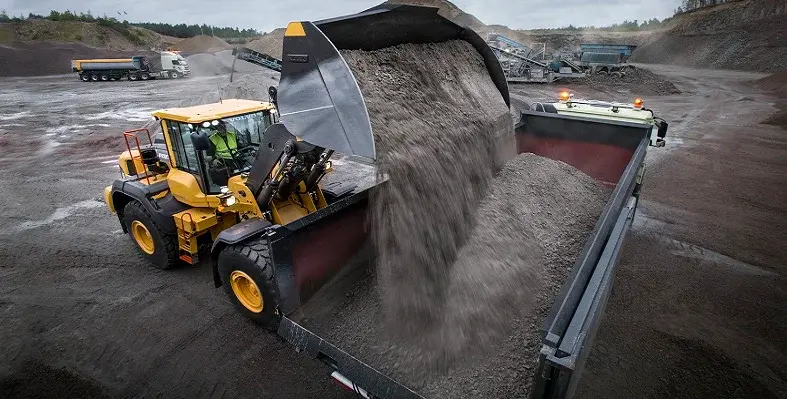
Volvo’s On-Board Weighing systems are designed for wheel loaders, excavators and articulated haulers. (Image source: Volvo CE)
-
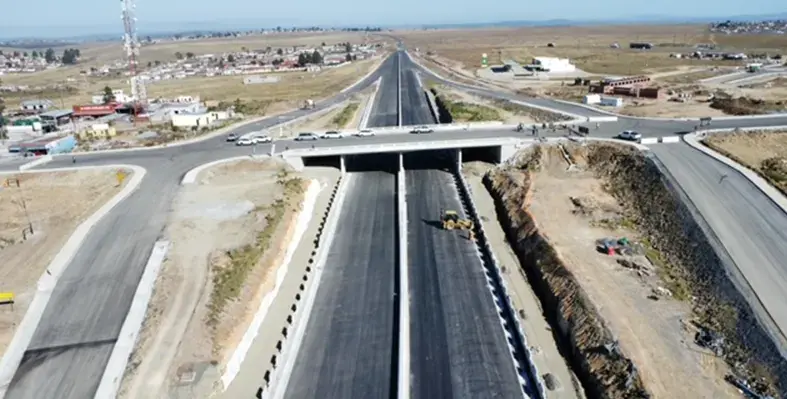
The Ndabakazi Intermodal Interchange will go a long way to ease traffic and reduce road accidents. (Image source: SANRAL)
-
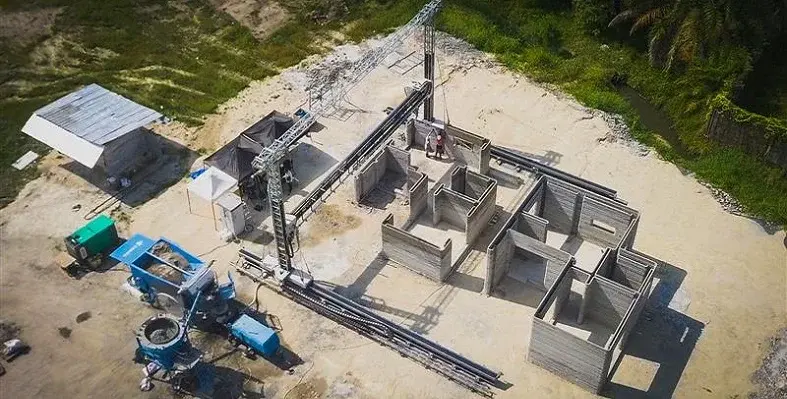
BOD3 3D Construction Printer with Material Delivery System Onsite. (Image source: COBOD)
-
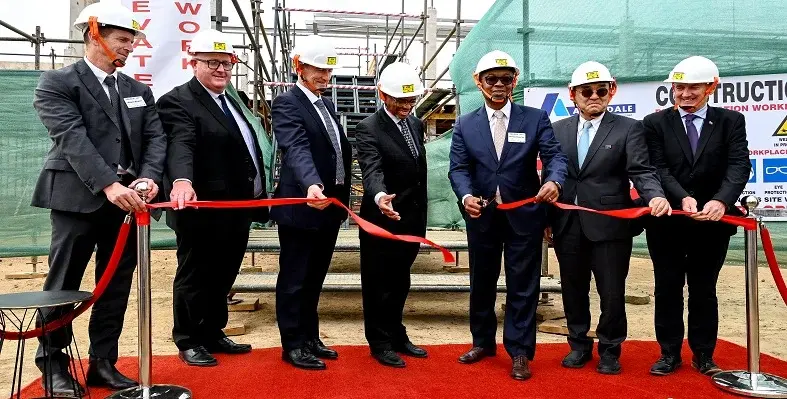
L to R: Wayne Bowyer, managing director of Toyota Tsusho Africa; Andrew Velleman, CEO of CFAO South Africa; Andrew Kirby, president and CEO of Toyota South Africa; Rev Musa Zondi, KZN MEC for Economic Development, Tourism, and Environmental Affairs; Minister Parks Tau, SA Minister of Trade, Industry and Competition; Hiroshi Morita, CEO of Ogihara Thailand; and Nigel Ward, Toyota EVP: manufacturing and manufacturing support. (Image source: CFAO South Africa)
Latest News
-
Aaron Chehab, head of strategy at Arabian Construction Company Group
-
Ronald Mlalazi, president of the African Supply Chain Confederation (Image source: ASCON)
-
X-Air 900-20 portable air compressor used in a blast hole drilling application. (Image source: Atlas Copco)
-
Schneider Electric’s Steven Santini at the IDC CIO Summit 2026 in Johannesburg
-
GE Vernova opens new Morocco hub to support power transmission services globally (Image source: Adobe Stock)
-
South Africa advances grid-scale gravity energy storage
-

Aptech Africa electrifies 69 Sierra Leone schools with off-grid solar systems. (Image source: Aptech Africa)
-
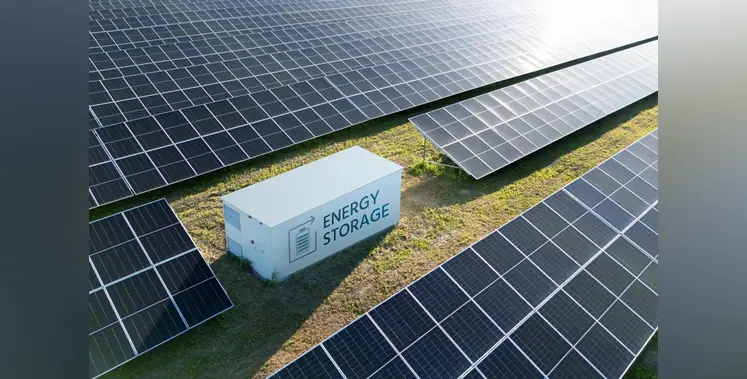
Newly inaugurated Graspan Solar PV plant adds 75MW to South Africa’s grid
-

Hybrid power plant impression. (Image source: Wartsila Energy)
-
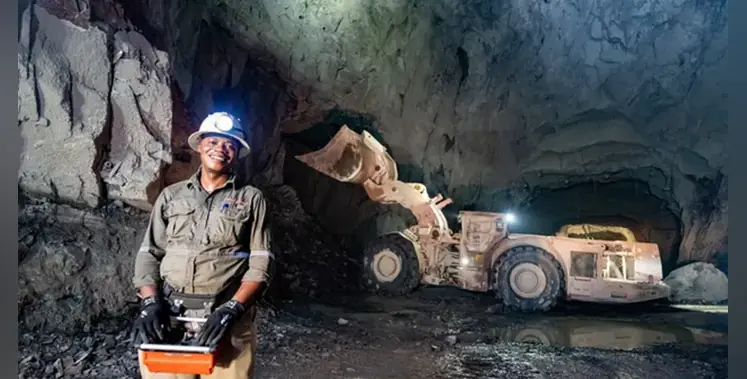
Work at Kamoa mine site (Image source: Ivanhoe Mines)
-
Nearly 40,000 configurations available - each truck is built to meet specific customer needs, making every unit virtually unique. (Image source: IVECO)
-
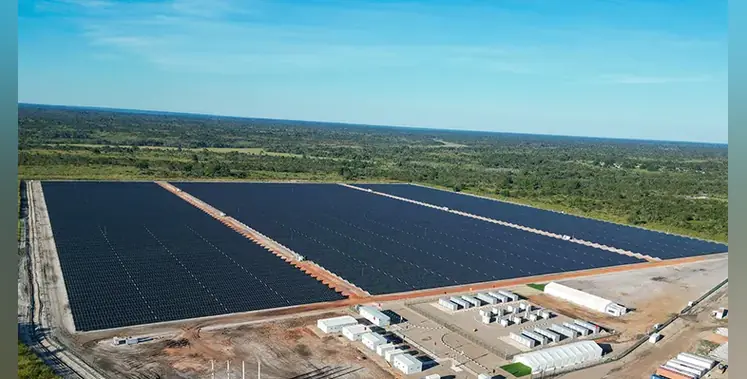
Laua solar park to boost Angola's clean energy sector (Image source: Adobe Stock)
-
Brady Corporation unveils i4311 portable printer. (Image source: Brady Corporation)
-
INZAG has taken delivery of a new Liebherr LTM 1090-4.2 mobile crane. (Image source: Liebherr)
-
Manroland Sheetfed machinery is well known in Africa (Image source: Manroland Sheetfed)
-
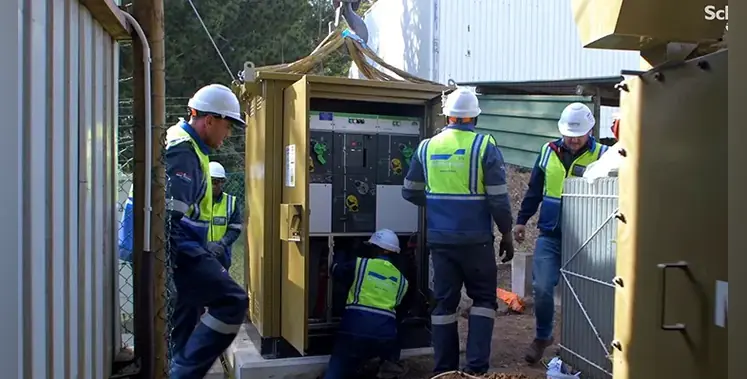
Project implementation at Elgin Orchards (Image source: Schneider Electric)
-
Zambia's infrastructure vital for economic prosperity (Image source: Adobe Stock)
-
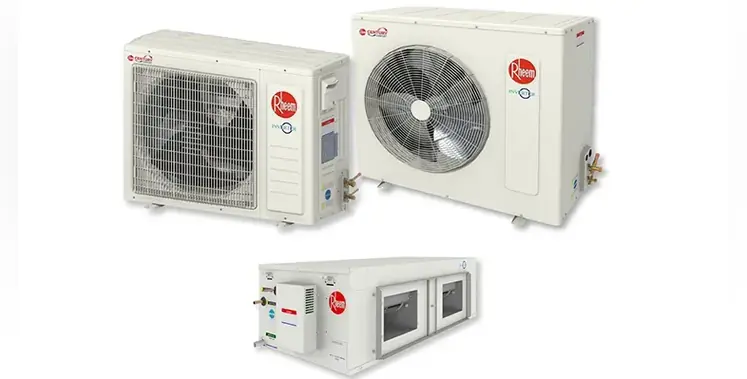
New HVAC and water heating range for Africa (Image source: Rheem)
-

Çelebi Aviation commits to Kenya’s air services market

More Articles

BradyScan simplifies barcode workflows. (Image source: Brady Corporation)

African telecoms and financial companies join global leaders on WorkL’s 2026 World’s Happiest Workplaces list

Vertiv unveils Next Predict, an AI-powered service that predicts and prevents data centre risks before they arise. (Image source: Vertiv)
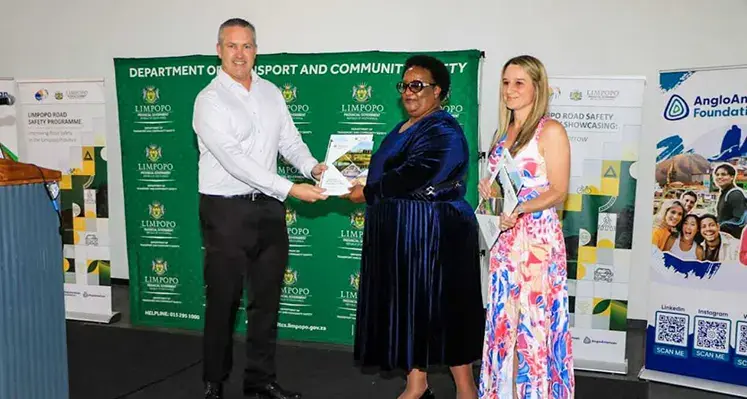
Data intelligence drives safer roads across Limpopo province. (Image credit: AARIVE ALIVE)

Oni-Tel launches high-speed data network.

Brady introduces durable field labelling and automated inventory solutions. (Image source: Brady Corporation)
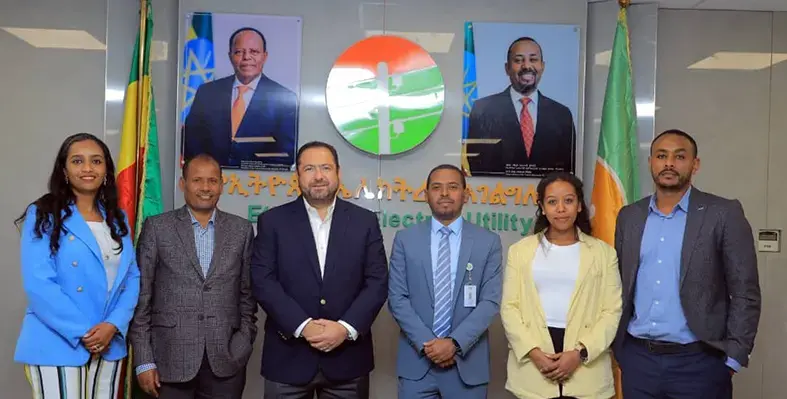
EEU partners with Wingu Africa to strengthen digital infrastructure (Image source: Wingu)
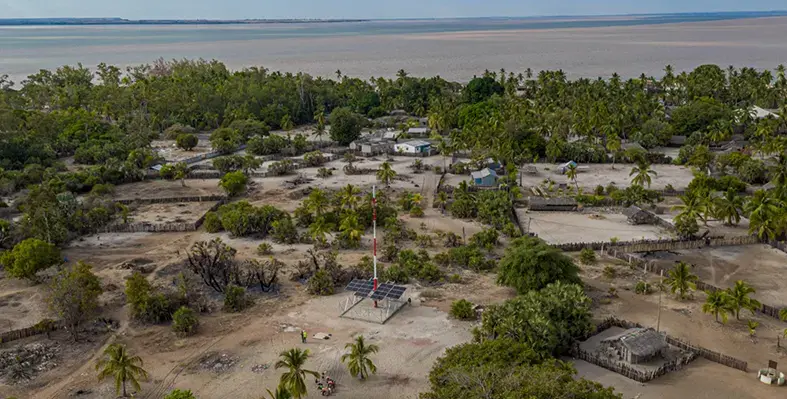
The new installation in remote Madagascar. (Image source: Nokia)

The CoolCenter Immersion system utilises immersion cooling technology. (Image credit: Vertiv)

NEC XON powers Africa’s Super Wi-Fi leap
Strengthening cooling solutions across Southern Africa

MultiChoice strengthens Africa’s digital ecosystem, protecting creative content and customer data through advanced cybersecurity solutions