







Energy Vault Holdings, Inc. has entered into a strategic development agreement with Eskom Holdings SOC Limited to introduce a large-scale gravity energy storage system in South Africa, marking a major step in the region’s transition toward cleaner and more resilient energy infrastructure
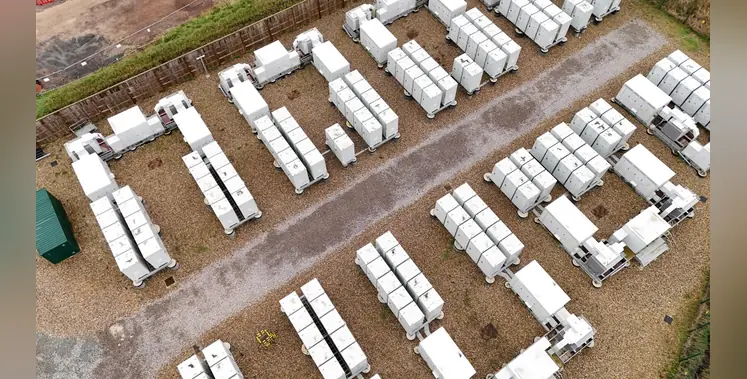
The first gravity energy storage system (GESS) project will be developed at Eskom’s Hendrina Power Station in Mpumalanga, among the country’s oldest operational coal-fired facilities. The installation is expected to deliver 25MW of power capacity with four hours of storage, representing 100MWh in total, while also offering future scalability of up to 4GW.
The agreement establishes a long-term collaboration between the two organisations aimed at accelerating the decarbonisation of Southern Africa’s electricity sector. Under the partnership, Energy Vault will supply its EVx 2.0 gravity storage technology alongside engineering expertise, project execution services and localised workforce training.
The companies also plan to jointly license and expand the deployment of up to 4GWh of gravity-based energy storage capacity throughout the 16-member Southern African Development Community (SADC) region by 2035.
Energy Vault’s EVx 2.0 platform introduces several upgrades compared to earlier versions of the technology, particularly in areas such as software coordination, mechanical performance, energy efficiency and automated construction processes. The updated design enables deployment at multi-gigawatt scale to support growing renewable energy penetration across electricity networks.
A notable feature of the technology is its ability to repurpose coal ash into large storage blocks weighing between 25 and 30 tonnes, creating an alternative use for combustion waste materials while supporting more sustainable infrastructure development.
“This landmark agreement with Eskom represents a transformational milestone for Energy Vault and for Africa’s energy future,” said Robert Piconi, chairman and CEO.
“By combining our breakthrough EVx 2.0 platform with Eskom’s extensive power generation, grid expertise and regional reach, we’re not only advancing long-duration storage at unprecedented scale but also pioneering a new model for sustainable industrial development. This partnership will create local jobs, establish resilient supply chains, and demonstrate how gravity energy storage can accelerate Africa’s transition from coal dependency to energy independence and security — all while delivering reliable, affordable power to communities that need it most.”
The initiative aligns closely with Eskom’s Just Energy Transition Partnership (JETP), which seeks to reduce dependence on coal while maintaining energy reliability, encouraging economic participation and supporting employment opportunities.
"Eskom is committed to reducing the environmental impact of its electricity generation activities and will continuously drive projects to support South Africa’s local and global emission reduction targets and transition responsibly. Eskom’s strategy is designed to position us as a resilient and competitive energy leader in a liberalised energy market."
"We will drive a just and inclusive energy transition that includes intensifying the repowering and repurposing of coal power stations and exploring clean coal technologies and solutions using technology as a strategic enabler to improve efficiencies and lower the cost of electricity. This partnership with Energy Vault and its innovative gravity storage technology will play a pivotal role in achieving our Just Energy Transition goals,” said Dan Marokane, group CEO, Eskom Holdings.
Southern Africa’s energy sector continues to evolve as governments and utilities pursue wider access to reliable and sustainable electricity. Electricity access across the SADC region has increased to 56% of the population, compared to 36% a decade earlier, reflecting expanding infrastructure investment and regional cooperation efforts.
Although coal still accounts for more than 80% of South Africa’s electricity generation, countries across the region are increasingly investing in renewable energy and storage technologies to diversify supply, strengthen grid resilience and improve long-term energy security. Utility-scale storage solutions are expected to become increasingly important in supporting renewable integration while also contributing to industrial growth, job creation and community development initiatives.
Eskom and Energy Vault launch gravity storage partnership
South Africa advances grid-scale gravity energy storage