







DP World has completed the major dredging works for the Port of Ndayane in Senegal 13 months ahead of schedule, marking a significant milestone in one of West Africa's largest port infrastructure projects
The achievement enables the next phase of marine and civil construction to begin earlier than planned, supporting the port's targeted completion in 2028.
The US$1.2 billion development is expected to become Senegal's principal deep-water container gateway, increasing capacity for international trade while strengthening the country's position as a strategic logistics hub for West Africa. As regional economies continue investing in modern transport infrastructure to accommodate larger vessels and growing cargo volumes, projects such as Ndayane are becoming increasingly important for improving supply chain resilience and supporting long-term economic growth.
Complex dredging completed under challenging conditions
The completed programme involved dredging a five-kilometre navigation channel, a turning basin and an 875-metre berth pocket designed to accommodate some of the world's largest container vessels, including two Triple E-class ships simultaneously. Two of the world's largest cutter suction dredgers were deployed for the operation, reflecting both the scale and technical complexity of the works.
Engineering teams encountered particularly demanding geological conditions throughout the project. More than 95% of the dredged material consisted of solid rock, including formations exceeding 100 megapascals in compressive strength—significantly harder than material typically encountered during major port developments. Despite these conditions, the dredging was completed without blasting by using advanced cutter suction dredging techniques, reducing environmental impacts while maintaining safe construction practices.
Originally scheduled for completion in September 2027, the dredging programme concluded well ahead of schedule following early mobilisation in December 2024. The accelerated timeline allows quay construction and other critical marine works to commence sooner, helping maintain project momentum. More than 1,000 people are currently employed directly on the development, with 1,043 personnel working on site as construction progresses.
Mohammed Akoojee, CEO and managing director for Africa at DP World, said, "Completing major dredging works 13 months ahead of schedule is a significant milestone for the Port of Ndayane and a testament to the expertise, commitment and collaboration of everyone involved in delivering this project safely. This achievement allows us to accelerate the next phase of construction toward the port's completion in 2028, while reinforcing our long-term commitment to Senegal and our confidence in Africa’s future as a growing force in global supply chains. As Senegal's largest single private investment, this US$1.2bn project will create lasting economic value by strengthening trade, supporting jobs, improving connectivity and unlocking future growth opportunities across the region."
Expanding Senegal's maritime capacity
The Port of Ndayane is being developed approximately 50 km from Dakar to address the growing capacity constraints at the existing Port of Dakar, which has operated close to its physical limits in recent years. The new facility is designed to accommodate larger vessels while improving cargo handling efficiency and supporting future trade growth across the region.
Since assuming operations at the Port of Dakar in 2008, DP World has invested approximately US$340mn to modernise the terminal and expand its operational capacity. During that period, container throughput increased from 265,000 twenty-foot equivalent units (TEUs) in 2008 to 850,000 TEUs in 2025, while vessel waiting times were reduced from around 35 hours to near zero.
These improvements have contributed to the Port of Dakar becoming the highest-ranked port in Sub-Saharan Africa for efficiency in the World Bank's Container Port Performance Index, highlighting the growing importance of modern port infrastructure in facilitating regional and international trade.
Clarence Rodrigues, CEO of DP World Dakar, expressed, "This achievement represents a pivotal moment in delivering transformational infrastructure for Senegal. The Port of Ndayane will enhance national competitiveness, unlock opportunities for local businesses, and drive sustainable job creation and skills development, supporting 2.3 million jobs through trade and improving access to critical goods and staples for 7.8 million people. We are proud to partner with the Government of Senegal and local stakeholders to establish a gateway for West Africa that positions Senegal as a premier logistics and trade hub, while delivering meaningful economic benefits to communities nationwide."
Strategic investment for regional trade
Modern deep-water ports are playing an increasingly important role across Africa as countries seek to improve logistics efficiency, strengthen export competitiveness and attract international investment. By accommodating larger container vessels and enhancing inland connectivity, these facilities help reduce supply chain bottlenecks while supporting regional integration under initiatives such as the African Continental Free Trade Area (AfCFTA).
Construction at Ndayane has now progressed to the next phase of marine and civil engineering works as DP World continues development towards the planned 2028 completion.
Juan Carlos Sahdala, group chief planning & project officer, stated, "Capital dredging is one of the most technically demanding phases of any port development. Completing these works ahead of schedule reflects meticulous planning, outstanding execution and strong collaboration, enabling us to accelerate the marine and civil works that will bring the Port of Ndayane into operation in 2028."
With major dredging now complete, the project moves into a critical construction phase that will shape Senegal's next-generation maritime gateway. Once operational, the Port of Ndayane is expected to expand the country's container handling capacity, strengthen regional logistics networks and support long-term trade growth across West Africa.
Continue reading:
DP World advances Port of Ndayane construction
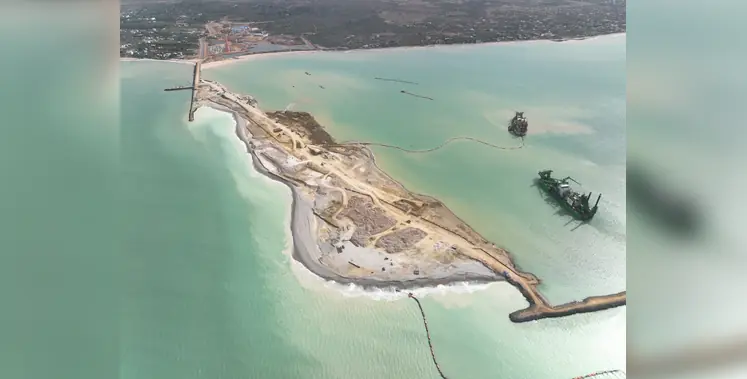
DP World completes major dredging works 13 months early, advancing Senegal's Port of Ndayane towards its planned 2028 completion