







Weba Chute Systems appoints Toolquip Namibia
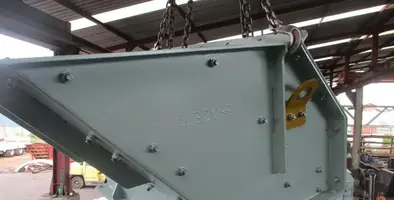
Manufacturing the Southern Coastal CV1 discharge chute at Weba Chute Systems' Wadeville factory (IMAGE SOURCE: Weba Chute Systems)
Weba Chute Systems has appointed Toolquip Namibia as its official agent, strengthening its presence in Africa and enhancing service delivery to the Namibian mining and industrial sectors
The move forms part of the company’s strategy to strengthen its footprint across Africa.
The tie-up with Toolquip will enhance its ability to serve the Namibian mining and industrial sectors by ensuring faster, more responsive access and after-market support.
Based in Swakopmund and part of the international Gruposilgest Group, Toolquip was selected following a rigorous process to ensure alignment in technical expertise, market reach and quality standards, Weba Chute Systems said in a statement.
“We are recognised for our innovative approach to chute design, improving throughput and operational safety, and this is underpinned by our focus on high levels of customer support,” said Edward Cruickshank, business development manager, Weba Chute Systems.
“By appointing an agent in Namibia, we are reinforcing our commitment to provide high-quality service and technical support where our customers operate. A local partner allows for faster response times, more effective site assessments and quicker implementation of engineered solutions.”
Prior to this appointment, Weba Chute Systems supported its Namibian customers directly.
This approach saw the company successfully install several transfer point solutions at Namdeb’s Southern Coastal Plant 3.
These included the CV1 Head Chute, the Tripper Car Discharge Chute, and the CV09 Split to Two Screens Chute — each replacing outdated problem-prone chutes that had suffered from frequent blockages, high wear and limited maintenance access.
Using advanced engineering technologies such as Discrete Element Modelling (DEM), Weba Chute Systems delivered fully engineered solutions that eliminated these issues and continue to operate reliably since commissioning.
“With Toolquip Namibia now acting as our local agent, customers in the region will benefit from significantly improved access to technical support, spare parts and maintenance services,” said Cruickshank.
“We are providing Toolquip with extensive training on our technologies and chute design philosophy, ensuring their team is fully equipped to support our customers effectively.”
The partnership is also expected to create new opportunities beyond Namibia.
With Toolquip’s existing operations in Mauritania and Zambia, Weba Chute Systems anticipates further expansion into these regions, building on its new partner’s local market knowledge and network.
Read more:
Strategies for growth and stability in Namibia's mining sector
NGX explores uranium opportunities in Namibia
Potential to expand underground production at Namibia's Otjikoto mine