cc.web.local

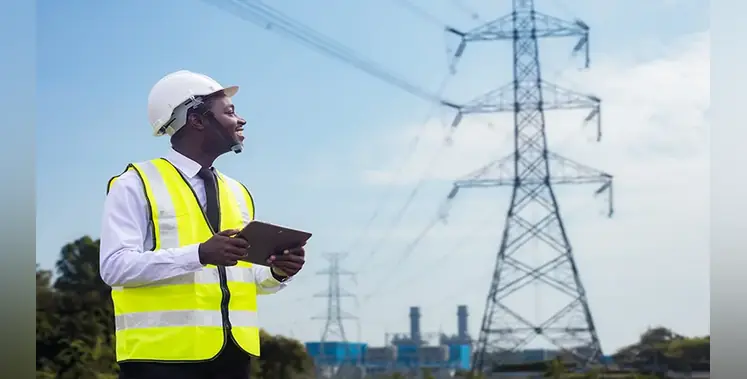
Incorporating distributed energy resources into Africa's grid (Image source: Adobe Stock)

With Africa’s energy makeup increasingly decentralised, driven by the advent of rooftop solar, electric vehicles (EVs) and energy storage resources (ESRs), utilities are facing a fundamental challenge – how do they connect more distributed energy resources (DERs) to the grid without compromising its stability? By Nishandra Bajinath, digital grid, head of sales in sub-Saharan Africa at Schneider Electric

As more customers become energy producers as well as consumers, the traditional approach to managing electricity networks is being tested. Previously, the national grid was largely designed around a relatively predictable model of centralised generation flowing through transmission and distribution networks to customers.

Today, customers may consume electricity, generate it, store it and — where regulations and connection arrangements allow — export it back into the network, resulting in power flowing bi-directionally, while the amount of generation connected at the edge of the network can change significantly from one customer to the next.

This introduces greater variability and more complex power flows at the grid edge. The opportunity is significant, but unlocking it requires utilities to understand not only where distributed resources are connected, but also how they affect the network under different operating conditions.

From connecting DERs to understanding their impact

One of the most important questions is how much additional generation, storage or flexible demand can be hosted in a given part of the network while ensuring utilities keep it safe and reliable?

A comprehensive system-level review on Energy Transition Resilience Gaps published in ScienceDirect outlines that current operational metrics are completely fragmented. Operators face massive “major event blind spots” because existing data tracking fails to properly integrate cyber-physical interdependencies and dynamic, localised grid realities.

And it is here where visibility becomes critical A traditional electricity network may have relatively stable physical infrastructure: high-voltage (HV) substations, medium-voltage (MV) and low-voltage networks, ring main units and other assets whose characteristics are well understood.

The DER landscape, by contrast, is highly dynamic. One household may have an 8-kW inverter, another a 5-kW system, while another may have additional batteries or a different combination of solar panels and storage.

At the commercial and industrial level, the diversity multiplies; factories may deploy large‑scale storage and shopping centres may integrate rooftop PV with demand response programs, and municipalities may be using microgrids.

If you multiply this across thousands of customers, utilities are suddenly dealing with a huge volume of assets and data.

A new operational environment

Utilities therefore need intelligence that can help them understand the electrical characteristics of their networks, assess available hosting capacity and identify where additional DER connections could create constraints.

Schneider Electric’s EcoStruxure Distributed Energy Resource Management System (DERMS), for example, combines DER monitoring, forecasting and control with capabilities such as hosting capacity analysis, grid constraint management and the use of DER flexibility to address network needs.

This allows utilities to become more proactive, understanding where DERs can be connected, what their impact could be and how their flexibility can be used to support the network.

DERMS should be understood as part of a wider Digital Grid environment. SCADA provides telemetry, alarms and authorised field control. EcoStruxure ADMS — or EcoStruxure Grid Operation for smaller and medium-sized utilities — provides the operational network model, distribution analysis, switching and outage-management environment. DERMS complements these systems with DER-specific visibility, forecasting, orchestration and constraint-aware dispatch.

Together, these capabilities can help operators understand where DER is connected, how it is expected to behave and where future conditions may create voltage, thermal or reverse-power-flow constraints.

Turning flexibility into a grid asset

The real opportunity lies in moving beyond simply monitoring DERs to actively using their flexibility to support the network.

Solar generation, batteries, EVs, microgrids and demand-response programmes can all become part of a more flexible electricity system. When coordinated effectively, these resources can help utilities respond to changing network conditions, manage constraints and maximise renewable generation. DERMS can aggregate these resources, evaluate their available flexibility and dispatch individual or grouped resources in response to local or wider system needs.

This does not mean that every rooftop installation, EV or battery is automatically controllable. Participation depends on communications, equipment capability, customer consent, connection agreements, aggregator arrangements and the applicable regulatory framework.

This is particularly important because high levels of renewable generation can introduce challenges such as reverse power flows, voltage issues and thermal constraints. Digital tools can provide utilities with greater situational awareness, helping them identify potential problems in real time as well as anticipate upcoming constraint violations.

Planning for a more distributed energy future

Traditionally, when network capacity becomes constrained, reinforcement may mean building or upgrading physical infrastructure. As DER penetration increases, however, utilities can also consider whether the flexibility available from distributed resources can help manage constraints before capital-intensive reinforcement becomes necessary.

Again, EcoStruxure DERMS supports this approach by enabling utilities to assess different grid reinforcement scenarios, including their technical and economic feasibility, while analysing different levels of DER adoption and their impact under varying load and weather conditions.

The greatest value will come from connecting planning and operations: accurate GIS and network models, SCADA and metering data, DER forecasts, ADMS-based grid awareness, outage-management processes, and DERMS-based flexibility orchestration.

That is how power utilities can move from simply accommodating DER to actively integrating them into a safer, more flexible and renewable-ready electricity system.
Navigating Nigeria's decarbonisation challenge (Image source: Schneider Electric)

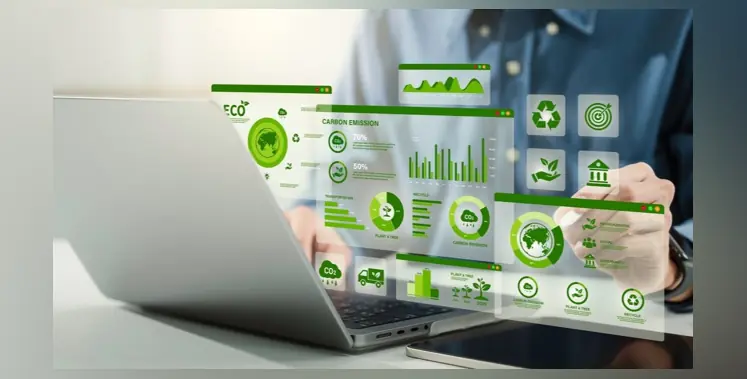
Industries today continue to be under pressure to reduce their carbon footprint and align with global climate commitments, writes Belema Koleoso, software leader, West Africa at Schneider Electric

However, as the adage goes, easier said than done, with many countries including Nigeria that still have to overcome numerous challenges to reduce emissions whilst running competitive, sustainable operations.

As it stands, Nigeria’s Nationally Determined Contribution (NDC), developed in accordance with the Climate Change Act of 2021 and updated in October 2025, pledges to achieve net zero emissions by 2060.

However, without the ability to effectively measure emissions and energy use at a granular level, many manufacturers will continue struggle to build meaningful decarbonisation strategies. And the result; climate ambitions that remain aspirational as opposed to actionable.

Measurement is critical

As mentioned, for many manufacturers, the journey toward sustainability must begin with a simple but critical step: measurement.

A significant number of industrial facilities operate machinery that has been running reliably for decades, but with limited visibility into how efficiently those machines perform. While operators know that production lines are functioning, they often lack insight into the energy intensity, operational efficiency, and emissions impact of the equipment.

Without this visibility, companies are unable to establish a baseline for key performance indicators (KPIs) related to energy use and carbon emissions. And without that baseline, it becomes extremely difficult to create a credible decarbonisation roadmap.

Measurement should therefore become the important, first step any sustainability strategy. By understanding exactly how energy is consumed and how emissions are generated across operations, companies can begin to identify where improvements are possible and where investments will deliver the greatest impact.

Establishing visibility and efficiency

The first step toward improved emissions management is typically a comprehensive operational audit. At Schneider Electric, our process involves assessing the existing infrastructure within a plant and identifies gaps in monitoring and digital capabilities.

In many cases, we find facilities operate with a mix of technologies, some modern, others outdated which can be entirely manual processes. The audit helps determine where new monitoring systems, sensors, and digital tools should be introduced.

At the physical layer, this typically often involves deploying connected devices such as:

Temperature sensors

Flow meters

Level sensors

Transmitters

Energy monitoring devices

These sensors, which can be retrofitted, then capture real-time operational data and feed it into control systems where it can be aggregated and analysed.

Once this data is available, automation and analytics can then be introduced to optimise processes. This will allow manufacturers to align energy consumption more closely with production output, ensuring that systems use only the energy required to deliver the desired results.

The next step, optimisation

Once visibility and efficiency are established, the next step is optimisation. Here, we recommend using digital tools and advanced analytics platforms which analyse operational data across multiple processes and identify opportunities to further reduce energy consumption and emissions.

These systems can also support decision-making by recommending specific actions to improve performance.

For example, energy and sustainability management platforms can track emissions data across an organisation and align it with decarbonisation targets. These systems act as digital co-pilots, analysing patterns and performance indicators, which align with sustainability initiatives.

Sustainability management enable companies to answer key questions like:

Where are the largest sources of carbon attribution?

Which processes consume the most energy?

What operational changes could reduce carbon intensity without compromising output?

Decarbonisation is not just a technology challenge

Successful decarbonisation efforts require both organisational and governance alignment. Decarbonisation strategies will therefore typically align three elements:

Technology – digital monitoring, automation, and analytics

People – operational teams trained to use data to improve performance

Governance – policies and frameworks that support carbon accountability

When these elements work together, companies gain a complete view of their operations – from production output and energy consumption to workforce processes and sustainability policies.

Lessons from the energy sector

In Nigeria, progress toward decarbonisation has been more visible in sectors such as oil and gas. Many companies in this industry have already adopted digital monitoring and emissions tracking technologies, partly due to international regulatory expectations and partnerships with global organisations.

Through technology partnerships, many operators have been able to retrofit existing infrastructure with digital monitoring systems that extract new insights from long-standing equipment.

Ultimately, by implementing monitoring technologies, establishing clear governance frameworks, and leveraging digital tools to optimise operations, manufacturers can transform their decarbonisation efforts from a reporting exercise into a strategic advantage.

Solar boost for Benin (Image source: Adobe Stock)

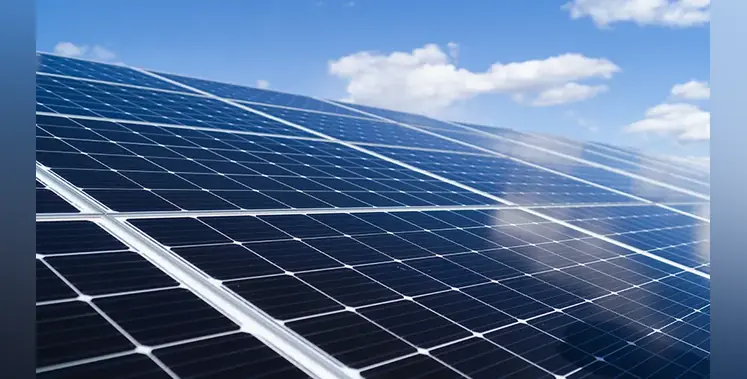
Benin is investing €45mn in four solar power plants, backed by international financiers, to increase domestic electricity production, reduce energy imports, improve energy security and expand clean energy access

It follows the signing of €30mn in financing agreements for the IPP50 solar project from a group of leading financiers that include AXIAN, a pan-African group, Caisse des Dépôts et Consignations du Bénin, International Finance Corporation (IFC), a member of the World Bank Group, and Proparco, the private financing arm of Agence Française de Développement (AFD).

The agreements aim to increase domestic power generation, strengthen energy security and expand access to renewable energy across Benin.

The country's first independent power producer (IPP) solar project is expected to supply clean electricity to 383,000 people, reduce reliance on imported power and avoid around 62,000 tonnes of CO2 emissions annually.

Benjamin Memmi, CEO of AXIAN Group's energy division, said: IPP50's financial close marks a milestone for AXIAN and the development of Benin's energy sector.

“This project, comprising four solar power plants with a combined capacity of 63 MW, reflects the ambition of the Beninese authorities to accelerate the country's energy transition, particularly through strong partnerships with the private sector,” Memmi said.

“With IPP50, we are once again demonstrating our ability to bring together international partners and financing to turn a vision into tangible infrastructure that serves communities and supports economic development.”

Memmi also cited AXIAN’s partnership with Sika Capital, an investment vehicle jointly owned by Caisse des Dépôts et Consignations du Bénin and Egnon Consulting, which “reflects our conviction that Africa's energy transition depends on strong local roots and long-term commitments.”

Landmark solar financing

A first for solar power financing in BeninThe IPP50 project, with a total project cost of €45mn, represents a significant step towards opening up Benin's power generation sector to private investment.

The project is also part of a public-private partnership structured around concession agreements granted by the Benin government, which is supporting its development and helping to establish a secure contractual framework.

It also contributes to Benin's National Energy Compact, which aims to provide approximately 928,000 additional households with access to electricity by 2030, raise the national electrification rate to at least 70%, and increase the share of renewables to 30% of the power generation mix.

The €30mn financing package is provided jointly by Proparco and IFC, which is mobilising resources from the Clean Technology Fund (CTF), an international fund dedicated to financing clean technologies in developing countries.

It will support the construction and operation of the four solar photovoltaic power plants with a combined capacity of 62 MWp in Natitingou, Djougou, Parakou and Bohicon.

Once operational, the plants are expected to generate approximately 110 GWh of renewable electricity annually, equivalent to an increase of around 17% in domestic power generation over the 2028–2035 period.

Nathalie Kouassi Akon, World Bank Group regional director, said financing the IPP50 project demonstrates the role of the private sector in accelerating Benin's energy transition.

“By supporting construction of the solar power plants alongside Proparco, IFC is helping mobilise long-term capital to expand the supply of clean electricity, strengthen the country's energy security and pave the way for further private investment in renewable energy.”

The new investment is also seen to be helping to de-risk Benin's first private-sector, enabling private investors to commit and construction to begin.

“Alongside the Beninese authorities, AXIAN Group, Sika Capital, French contractor Sagemcom and IFC, this transaction reflects our commitment to Benin's energy sovereignty, in full complementarity with the work of AFD Group in the country,” said Sadio Dicko, Proparco's regional director for West Africa.

Electricity generated by the plants will be sold to Société béninoise de production d'électricité (SBPE) under long-term power purchase agreements (PPAs).With 20-year concessions and commercial operations scheduled to begin in the first quarter of 2028, IPP50 is expected to make a lasting contribution to Benin's electricity supply.

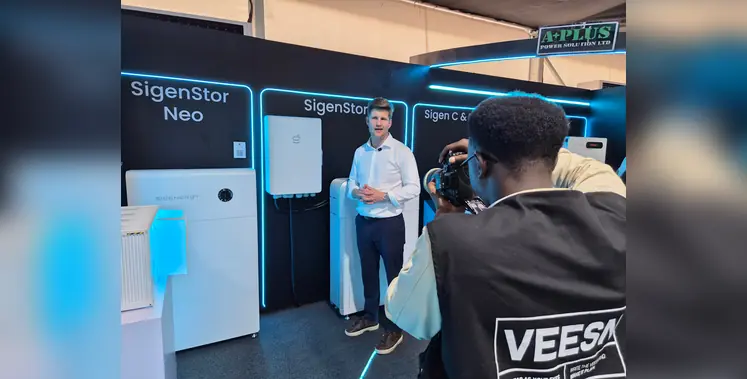
Sigenergy introduces an AI-powered residential storage system. (Image source: Sigenergy)

Sigenergy has unveiled its next-generation residential energy storage solution, SigenStor Neo, to the West African market at Nigeria Energy 2026, took place from 27–29 October at the Landmark Centre in Lagos

The launch marks an important step in the company's regional expansion, bringing an integrated residential energy platform to a market where households increasingly require greater control over electricity generation, storage and backup power.

Designed to combine several essential energy functions within a single system, SigenStor Neo brings together battery storage, power conversion, backup capabilities and intelligent energy management. Its architecture is intended to help homeowners coordinate different energy sources while simplifying the way residential power systems are configured and operated.

In Nigeria, where households often combine grid electricity with solar installations and generators, the ability to manage multiple power sources is particularly relevant. SigenStor Neo addresses this requirement through an integrated platform designed to connect and coordinate different energy resources within one residential ecosystem.

Jade Martyn, sales director - Africa at Sigenergy, said, "West Africa is an important market for Sigenergy, with customers looking for reliable and flexible ways to manage increasingly complex home energy needs. SigenStor Neo is designed to bring different energy resources together within one intelligent ecosystem, giving homeowners greater flexibility in how they generate, store and manage their energy. We are excited to introduce the next generation of SigenStor to West Africa at Nigeria Energy 2026,"

Smart connectivity for multiple energy sources

A defining feature of SigenStor Neo is its Smart Port and Backup Port configuration, which gives the system the ability to accommodate a wider range of energy resources.

The Smart Port supports connections with compatible third-party inverters, external generators and electric vehicle chargers. This enables homeowners to bring different technologies into a coordinated energy setup rather than managing each resource independently.

For Nigerian households that rely on generators during periods of grid interruption, this connectivity offers an additional layer of flexibility. External generators can be integrated into the wider system, while households with existing solar installations can connect compatible third-party inverters when upgrading their energy infrastructure.

The architecture also provides scope for future system modifications as household consumption patterns and energy requirements change. By supporting additional devices and energy sources, SigenStor Neo offers a more adaptable approach to residential energy management.

Advanced backup capabilities for greater power continuity

Power reliability remains a key consideration for residential energy consumers. SigenStor Neo incorporates several features designed to maintain electricity supply when interruptions occur.

The system offers 0 ms load-side disruption and peak power output of up to 200%, supporting the continued operation of connected household appliances during grid outages.

Its dedicated Backup Port provides an additional connection for supplying household loads, while the Smart Port allows compatible external backup resources, including generators, to become part of the overall energy configuration.

By combining stored electricity with grid connectivity and additional backup options, the system gives homeowners more flexibility in determining how their power supply is maintained under different operating conditions.

This integrated configuration positions SigenStor Neo as a comprehensive residential energy management solution rather than simply a battery storage installation.

Modular storage designed for future expansion

Flexibility also extends to the system's storage configuration. SigenStor Neo supports up to six vertically stacked battery modules, enabling customers to select an initial capacity based on their present consumption and expand it as requirements increase.

This modular arrangement allows households to avoid committing to their maximum anticipated storage capacity at the outset. Instead, additional battery capacity can be introduced as electricity consumption grows or new energy requirements emerge.

Another important feature is the built-in pack optimiser, which enables compatible existing and newly added batteries to operate together within the same system.

The platform also incorporates an eight-layer protection architecture to support operational safety and system reliability.

For households planning to add more appliances, increase solar generation or eventually incorporate electric vehicle charging, the expandable design provides greater flexibility over the longer term.

Integrated engineering simplifies installation

Beyond its residential applications, SigenStor Neo has been developed with installation efficiency in mind.

The platform combines the inverter, battery, power conversion system (PCS), energy management system (EMS) and gateway within a unified design. Integrating these functions reduces the need for multiple standalone components and creates a more streamlined installation arrangement.

Sigenergy has also incorporated several practical design features to support installers. These include lightweight battery modules equipped with lifting handles, a single side cover for wiring access, and an optimised terminal layout.

Together, these elements are intended to simplify equipment handling, reduce installation complexity and minimise on-site labour requirements.

For installation partners, the integrated architecture offers a more straightforward approach to deploying residential energy storage systems, while homeowners benefit from a compact and consolidated setup.

AI integration brings intelligent energy management

Intelligent energy management is another central element of SigenStor Neo, which forms part of Sigenergy's broader AI in All strategy.

The system incorporates SigenAgent, described by the company as the energy industry's first all-domain AI agent, accessible through mySigen App 4.0.

The platform is designed to make residential energy management more intuitive by allowing users to communicate their broader energy objectives rather than manually adjusting individual operating settings.

For example, homeowners can establish priorities such as lowering electricity expenditure or maintaining sufficient stored energy for backup requirements. SigenAgent can then analyse operating conditions and coordinate connected hardware to support those objectives.

This approach is particularly relevant to households using a combination of grid electricity, solar generation, batteries and generators. By bringing these resources together through intelligent control, the platform aims to simplify energy management and provide users with greater visibility into their household electricity consumption.

The combination of connected hardware, automated energy coordination and AI-driven management further expands the functionality of SigenStor Neo beyond conventional residential battery storage.

Sigenergy expands its presence across west africa

The introduction of SigenStor Neo at Nigeria Energy 2026 represents another milestone in Sigenergy's regional development strategy.

The company is targeting opportunities across several West African markets, including Nigeria, Ghana, Côte d'Ivoire, Sierra Leone, Liberia and Togo, where interest in distributed solar generation and energy storage continues to create opportunities for residential energy technologies.

Nigeria serves as the launch platform for the new system, providing an opportunity to introduce its integrated capabilities to customers, distributors and industry stakeholders across the region.

By combining solar integration, battery storage, generator connectivity, backup power and AI-based energy management, Sigenergy is positioning SigenStor Neo as a flexible solution for households seeking to improve their control over electricity supply. 

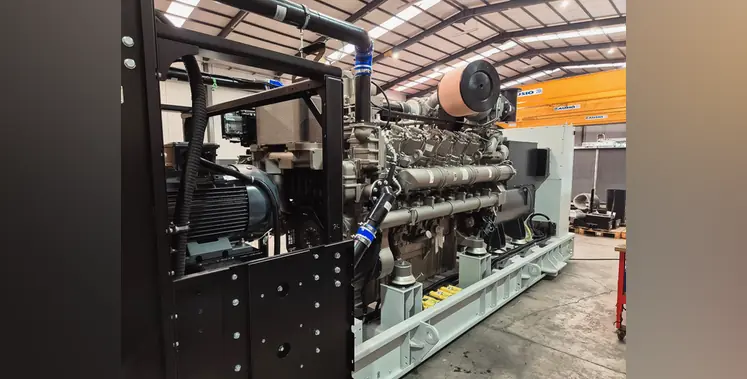
On-site power for Algerian hospitals (Image source: Himoinsa)

Critical infrastructure, such as hospitals and clinics, require autonomous power systems capable of responding instantly to any power outage — a common theme throughout Africa

In Algeria, the situation is no different.

Himoinsa recently stepped in to plug the gap, supplying on-site power for a number of healthcare facilities across the North African country.

In the first project, it supplied almost 4 MW of emergency power with Yanmar engines for a hospital located in the municipality of Ain Benian.Another project was developed with other models with generator sets for a hospital located in Reghaia.

Together, both projects can now generate a total of 8 MW of essential power for Algeria’s hospitals.

The company worked with its local distributor Sarl Globale, ensuring the power autonomy of these healthcare centres with the HGY series, including two 2,500 kVA generator sets in Ain Benian — ensuring continuity of care and capable of responding immediately in the event of simultaneous grid failures.

HGY series

“The HGY series provides safe and efficient power solutions that enable continuous power supply to these critical services,” the company noted in a statement.

“HGY generators respond quickly and are designed to guarantee a response time of less than eight seconds and offer single-step load acceptance. The reliability and performance of HGY make it an indispensable choice for ensuring safety and efficiency in healthcare environments.”

The HGY-2350 D5 PRP generator sets installed at Ain Benian Hospital are equipped with high-performance Yanmar engines, developed specifically for mission-critical applications such as hospital environments.

Their high-pressure electronic injection technology enables a fast and stable response, ensuring immediate start-up and load acceptance in the event of a power failure.

In addition to offering excellent performance with optimised consumption, Yanmar engines are characterised by operational reliability even in demanding conditions, such as high temperatures or prolonged duty cycles.

Robust design and extended maintenance intervals also reduce technical interventions, ensuring constant power availability.

Challenging environment

The weather in Algeria, especially in coastal areas such as Reghaia and Ain Benian, is characterised by long, dry summers with temperatures exceeding 40°C during the hottest months.

This poses a challenge for power plant operations, as high air temperatures can cause power losses in thermal engines, a phenomenon known as derating.

The usual ambient temperature in the region required the installation of electric radiators capable of operating at 50°C, ensuring the nominal performance of the equipment.Both projects also required extreme soundproofing, with a maximum noise level of 75 dB(A) at 1 metre, as well as advanced thermal adaptation.

The set up at the two hospitals has been designed according to an operating philosophy that guarantees continuity of care through a system of two synchronised emergency generators, one main and one backup.

On a day-to-day basis, the hospital operates connected to the main grid; if this fails, the system automatically switches to the secondary grid.

If this fails, or both mains generator networks are not operating, the backup generator is started up.

Given that the hospital's total load does not exceed the capacity of a single generator, the system is programmed to keep one of the units on active standby – hot standby.

Once the load has stabilised, one of the units is disconnected, remaining available to take over the supply in the event of a failure of the operational generator.

Himoinsa developed this set up in conjunction with the generator control unit supplier, DEIF.

More Articles …