FULafia unveils 1.6 MW solar hybrid plant to cut power costs
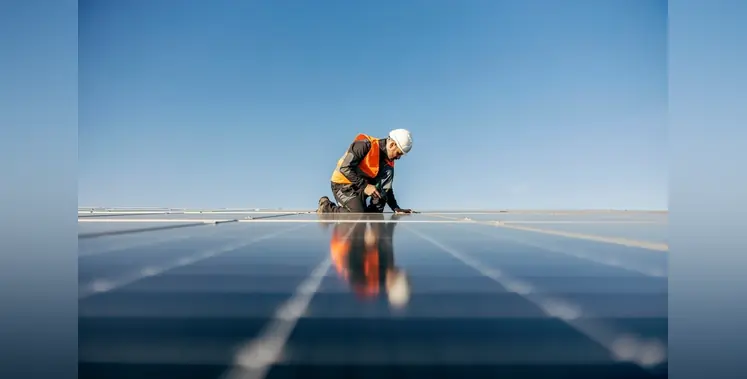
The facility pairs a 1.6MWp solar park with nearly 3MW/h of battery storage and is projected to save the university about ₦30 million monthly on electricity and diesel costs.
Federal University of Lafia (FULafia) in Nasarawa State, Nigeria, has commissioned a 1.6 MW captive solar hybrid power plant expected to reduce its electricity expenditure by approximately N30mn per month
The facility was inaugurated by Minister of Power Joseph Tegbe at the university's Permanent Site Campus. It was delivered under Phase III of the Federal Government's Energising Education Programme (EEP), implemented by the Rural Electrification Agency (REA).
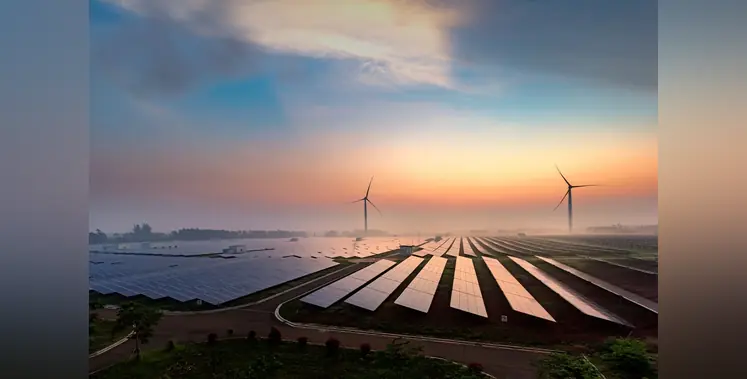
The installation comprises a 1.6 MWp solar park, a Power Conditioning System and an Energy Storage System. Together, these components are designed to stabilise electricity supply, manage periods of peak demand and maintain power to critical facilities after sunset.
The project is expected to improve electricity reliability across the university while reducing its dependence on conventional power sources.
Supporting education and research
Speaking at the commissioning, Tegbe acknowledged President Bola Tinubu's focus on energy as a driver of national development. He also recognised Nasarawa State Governor Abdullahi Sule for supporting renewable energy initiatives.
The minister described the installation as an important development for the university, reiterating the Federal Government's commitment to addressing Nigeria's electricity challenges.
He said FULafia and other institutions participating in the programme now benefit from uninterrupted electricity, adding that the government intends to extend similar improvements to other communities across the country.
Governor Sule welcomed the project, highlighting its potential to strengthen the university's teaching and research capabilities. He also commended the minister for facilitating the intervention.
“My opinion is that we should build as many mini-grids as possible. That is the future of Nigeria’s electrification. To reach those without access, we can focus on mini-grids.
“This is the practical way to solve our problems. I appreciate that we have a practical President and a practical Minister to tackle these problems head-on,” Sule said.
University vice-chancellor prof. Mohammed Isa Kida said the institution had experienced uninterrupted electricity since the system's test run began approximately three months earlier.
He highlighted the importance of dependable power for teaching, digital learning, laboratory operations and research activities.
The installation is expected to serve more than 30,000 students and staff, while supporting improved digital services and practical training in renewable energy. Kida also highlighted the project's accompanying training programme for women in STEM and pledged to ensure the facilities are properly maintained.
Expanding renewable energy access
REA Managing Director Abba Aliyu said the Federal Government was transitioning from fragmented electrification interventions towards coordinated programmes that could be expanded across the country.
He acknowledged the contributions of funding and development partners, particularly the African Development Bank (AfDB), which supported the programme's pilot phase. He also commended Governor Sule for his leadership in renewable energy development.
Aliyu added that REA had financed 22 mini-grid projects in Nasarawa State, with another 37 expected to be developed shortly.
“Our ambition is to build a renewable economy around the electrification of Nigeria,” Aliyu said.
The commissioning was also attended by representatives of Sungrow Power Supply Co. Ltd. and International Consolidated Contractors.