







The South African Freight and Logistics Association (Safla) has officially launched as a new industry body to represent freight forwarders and logistics operators across the countryThe group aims to tackle friction points that have long slowed trade and burdened businesses, according to Dave Logan, Safla’s founding executive officer.“We represent the operational reality others are too centralised to capture,” he said. “Safla exists to solve specific problems — border delays, permit duplication, valuation disputes — and to do so with data and accountability.”Immediate priorities include engagements with the South African Revenue Service (SARS), Transnet, the Border Management Authority (BMA) and all 17 government agencies and controlling authorities that intersect with freight forwarding and customs compliance.The association will use shipment data, delay records and cost analysis to inform every regulatory submission and stakeholder engagement.It will also maintain formal representation at key border posts and ports, including Durban, Cape Town, Beitbridge, Lebombo and Ngqura.“We are not here to make noise,” said Logan. “We are here to deliver quick, visible wins with regulators and ensure measurable impact.”One of its main commitments is equal representation across South Africa's provinces, with a structure that deliberately prevents the Gauteng and KwaZulu-Natal dominance that has historically marginalised operators in other provinces.It also prioritises SMME development with tiered membership, including micro, SME, and corporate categories, to ensure smaller operators can access the same advocacy rights as large corporates.“SMMEs are the backbone of this industry,” said Logan. “SAFLA takes pride in being an association that builds them up through fit-for-purpose workshops, capacity building, and training interventions that align with the aspirational objectives of SARS and the broader trade environment.”Another priority is supporting and developing the next generation of freight and logistics professionals, with special training and initiatives for younger professionals.An accreditation framework, developed in partnership with the International Federation of Freight Forwarders Associations (FIATA) and other bodies, will introduce industry-recognised certifications in areas such as border clearance, customs compliance and multimodal logistics coordination.Safla is ambitious in its plans for the first year, according to Logan.“Within 12 months, we expect to demonstrate at least two measurable regulatory improvements, establish functional regional committees across key corridors, and publish data-backed position papers that shift the conversation,” he said. “Safla will be indispensable because it stays close to the friction points in the supply chain.”Read more:
New South African freight & logistics trade body
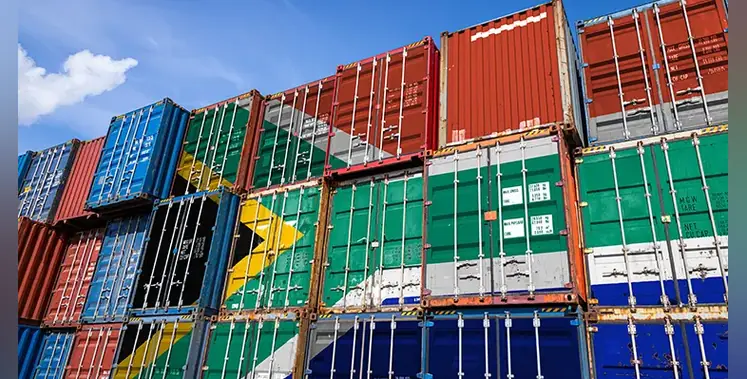
New trade group aims to boost freight and logistics in South Africa (Image source: Adobe Stock)