








Quarry operators are placing greater focus on workplace safety, driving increased interest in Proximity Detection Systems (PDS) and Collision Prevention Systems (CPS)
The shift reflects a growing recognition that safety technologies can support both regulatory compliance and the practical demands of quarry operations.
Anton Lourens, CEO of Booyco Electronics, said demand for PDS/CPS technologies has increased notably over the past six months across the quarrying and mining sectors. The trend points to a wider move towards proactive approaches to managing operational risks, alongside continued attention to legislative requirements.
“Safety has become a strategic priority for many operations,” Lourens says. “Beyond meeting legislative requirements, quarry operators are investing in technologies that help mitigate risk and improve overall operational safety.”
Technology integration is also becoming easier as PDS solutions become more compatible with mobile equipment. Improvements in interface kits, alongside closer cooperation between original equipment manufacturers (OEMs), independent interface providers and technology suppliers, are helping operators deploy collision prevention systems across mixed fleets.
The adoption of the ISO 21815 standard has provided further support for interoperability. Its technology-neutral communication protocol enables different systems to communicate more effectively, helping streamline the implementation of collision prevention technologies across quarrying and mining operations.
However, technology deployment still needs to reflect the specific conditions of each quarry. Lourens said site-specific assessment is essential when determining how PDS/CPS solutions should be configured and implemented.
“No two operations are the same. Every implementation begins with a detailed assessment of the fleet, traffic patterns and operating practices to ensure the system delivers effective detection without compromising productivity,” he explains.
Financial considerations also influence technology decisions, particularly for quarry businesses that may operate with tighter margins than larger mining companies. Booyco Electronics maintains that access to safety technology should not be determined by the scale or financial resources of an operation.
“We do not believe there should be different levels of safety capability for different operations,” Lourens says. “Our focus is on improving our own development and manufacturing efficiencies so that advanced collision prevention technology remains accessible to both large mines and smaller quarrying businesses.”
Effective implementation also requires cooperation between technical and operational teams. Engineering personnel may concentrate on meeting regulatory requirements, while operational managers are often focused on production targets and equipment availability. Aligning these priorities through communication, training and user adoption is therefore an important part of achieving safety and operational goals.
Lourens expects collision prevention technology to develop further as multiple sensing methods are combined rather than relying on a single detection technology.
“The future lies in combining technologies such as low-frequency communication, GPS, radar and camera-based systems etc, to deliver more reliable and adaptable collision prevention solutions,” he says. “As these technologies continue to evolve, the industry will be better positioned to deliver sustainable, cost-effective safety solutions that support the goal of zero harm.”
Collision prevention technology gains ground in quarrying
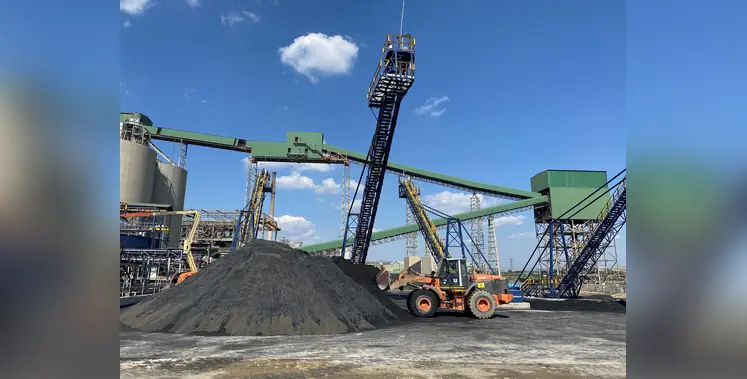
Quarry operators are increasing adoption of PDS and CPS technologies to strengthen safety