






Glass remains one of the most recyclable materials in the world, yet in South Africa significant volumes still end up in landfill. According to Francois Marais, sales and marketing director at Pilot Crushtec, improving glass recycling rates presents a clear opportunity to reduce energy consumption, lower carbon emissions and stimulate new business growth
Every discarded bottle or jar represents not only wasted material but also untapped economic and environmental potential.
“Unlike many materials, glass can be recycled indefinitely without losing quality,” commented Marais. “Each time we recycle glass, we are not only reducing pressure on landfills but also helping industries save energy and cut carbon emissions.”
From an environmental perspective, the advantages of recycling glass are immediate. Re-melting recycled glass, commonly referred to as cullet, requires significantly less energy than processing virgin raw materials such as silica and limestone. Lower furnace temperatures translate into meaningful energy savings and reduced emissions. At the same time, keeping glass out of landfill reduces environmental risk and supports broader sustainability goals, offering clear benefits to both industry and the environment.
The application of recycled glass goes well beyond the manufacture of new containers. Cullet plays an important role in producing fibreglass insulation products. Within the construction industry, crushed glass is increasingly being adopted as an alternative to conventional aggregates in concrete and asphalt mixes. Manufacturers of bricks and blocks are also recognising that incorporating glass cullet can improve product strength while enhancing environmental performance.
“There is a growing market for glass in construction and infrastructure,” Marais explained.
“Crushed glass can strengthen road bases, add aesthetic value to concrete surfaces and even contribute to eco-friendly brick production. This opens real opportunities for businesses to innovate and differentiate themselves.”
Demand for recycled glass is also rising in landscaping and decorative design. Once treated and processed, it can serve as a long-lasting, colourful mulch for gardens or as an eye-catching surface material for walkways and water features. In addition to its visual qualities, glass cullet is increasingly used as a filtration medium in water treatment facilities and swimming pools, where it has been shown to outperform traditional sand filters.
Its potential extends even further. Glass cullet is incorporated into reflective road markings to enhance night-time visibility and safety. In certain coastal regions, it is also being explored as a material to help restore eroded beaches. These varied uses highlight the role of glass recycling not only in everyday products but also in larger environmental and infrastructure solutions.
Pilot Crushtec is helping to advance this shift by improving access to efficient glass processing technology. The company offers modular crushing and screening plants designed to convert waste glass into premium-quality cullet. These systems are engineered for ease of installation, affordability and scalability, making them suitable for recyclers, municipalities and entrepreneurs seeking entry into the expanding glass recycling sector.
“Glass recycling represents the perfect meeting point between sustainability and profitability,” stated Marais. “It creates jobs, drives innovation and provides industries with valuable raw materials. At Pilot Crushtec, we are committed to providing the equipment that makes this possible but the real transformation will come from a broader commitment across business and society to embrace recycling as both an environmental responsibility and a business opportunity.”
South Africa unlocks value through glass recycling
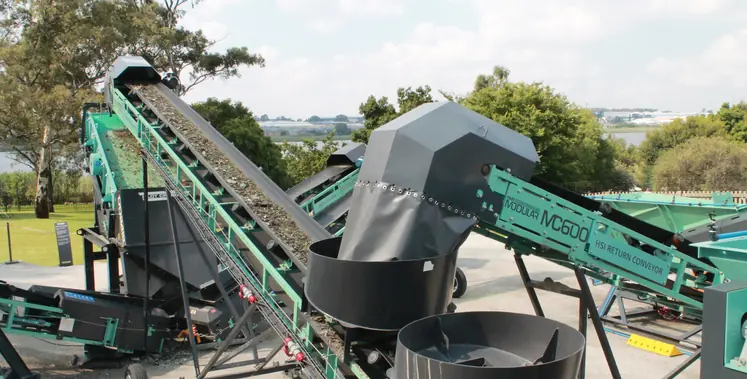
Modular glass crushing plants from Pilot Crushtec are built to grow with production needs, making it easy to increase output as throughput requirements rise. (Image source: Pilot Crushtec)