








Kowatek Solar LTD has highlighted the Rural Electrification Agency's framework for procuring 200 megawatts of locally manufactured solar photovoltaic modules and 200 megawatt-hours of battery energy storage products annually as a move towards strengthening domestic production and reducing expenditure on imports
Reports published in early September 2026 showed that solar-panel imports across 15 African countries exceeded US$400mn in the first quarter of 2026, compared with approximately US$650mn for the whole of 2025. Demand for alternative electricity supplies remains strong among households and businesses facing unreliable grid power. Nigeria continues to have one of the continent's largest electricity-access deficits, with agency leadership citing more than 85 million people, equivalent to approximately 40% of the population, without reliable grid electricity.
The proposed partnership was presented as the first commitment by a Tier-One Chinese renewable energy company to establish manufacturing and assembly operations in Nigeria. However, implementation will depend on commissioning the factory, obtaining quality certifications, securing foreign exchange and establishing whether the planned public-sector offtake provides sufficient certainty for lenders.
Local module production alone does not guarantee an effective solar installation. Commercial and industrial users must still assess electricity demand, ensure compatibility between inverters and batteries, and establish reliable maintenance and servicing arrangements.
For residential estates, hotels, clinics and factories looking to reduce diesel consumption, the key consideration is the cost per reliable kilowatt-hour rather than the purchase price of solar panels alone. Kowatek Solar recommends viewing local assembly as another sourcing option within properly engineered hybrid power systems.
Nigeria advances local solar manufacturing and battery storage
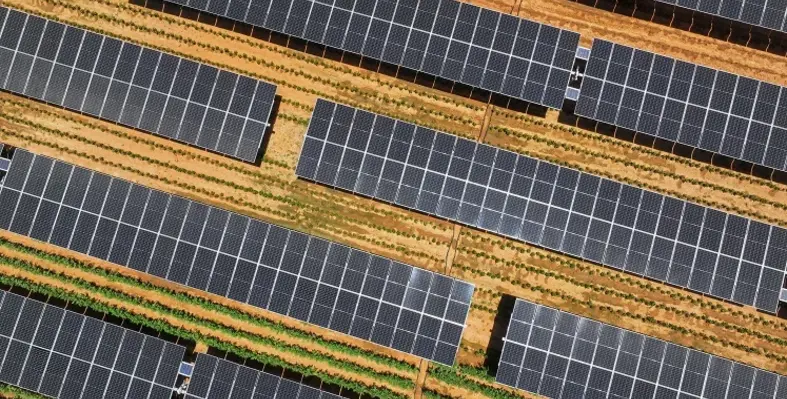
Nigeria targets lower solar imports through domestic production