







First WATT Renewable Limited and MTN Nigeria have entered into a strategic renewable energy infrastructure partnership aimed at reducing reliance on diesel power, enhancing resilience at critical telecommunications facilities, and supporting renewable energy solutions for electric vehicle (EV) charging infrastructure across selected MTN locations in Nigeria
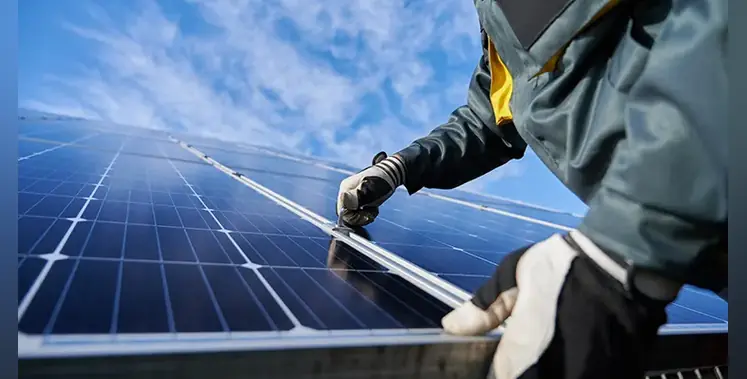
The initiative consists of two key components. The first involves an Energy-as-a-Service deployment that will deliver approximately 34 MWp of solar photovoltaic generation capacity and 40 MWh of battery energy storage across selected MTN facilities nationwide. These locations include data centres, switch facilities, cable landing stations, customer service centres, and other network-critical sites.
The second component focuses on providing renewable energy infrastructure to support 60 kW EV charging stations at eight MTN facilities in Ikoyi, Matori, Ojota, Abuja, Port Harcourt, Asaba, Kano, and Ibadan.
Together, the projects are designed to reduce dependence on diesel-powered systems, decrease operational emissions, improve uptime, strengthen business continuity, and increase the adoption of renewable energy solutions across MTN’s operational facilities and EV charging locations.
With digital services continuing to expand, dependable energy infrastructure has become increasingly important for maintaining telecommunications networks and supporting the broader digital economy. Through this partnership, MTN Nigeria aims to improve the resilience of its critical operations while increasing the integration of renewable energy across selected sites.
Based on current project assumptions, the programme is expected to help avoid approximately 25,000 tonnes of carbon dioxide equivalent emissions (tCO₂e) over five years, subject to operational performance and final emissions assessments.
Commenting on the partnership, Oluwole Eweje, CEO of WATT Renewable Corporation, said, “This partnership is a defining milestone for First WATT and an important step in strengthening the energy infrastructure that supports Nigeria’s digital economy. By deploying solar photovoltaic generation and battery energy storage across selected MTN facilities, we are helping to improve energy reliability at critical locations where uptime is essential.
“The EV charging component also demonstrates how renewable energy infrastructure can support Nigeria’s transition to lower-carbon mobility. By providing renewable power systems for EV charging sites, this programme helps address one of the key requirements for wider EV adoption: reliable and cleaner energy supply.”
Speaking on the initiative, Tobechukwu Okigbo, chief corporate services and sustainability officer at MTN Nigeria, stated, “As Nigeria’s energy and mobility landscape evolves, renewable energy will play an important role in building cleaner and more reliable infrastructure. This partnership supports our efforts to reduce diesel dependence, improve operational efficiency, and strengthen the resilience of the systems that power connectivity.
“It is also aligned with Project Zero, under our Doing for Planet sustainability pillar, through which we are focused on reducing greenhouse gas emissions, improving energy efficiency, and increasing the use of renewable energy across our operations.”
MTN Nigeria builds low-carbon network future
MTN Nigeria expands renewable power infrastructure